How to Import a Vehicle From Japan to Australia: The Complete 2026 Process Guide
Quick answer
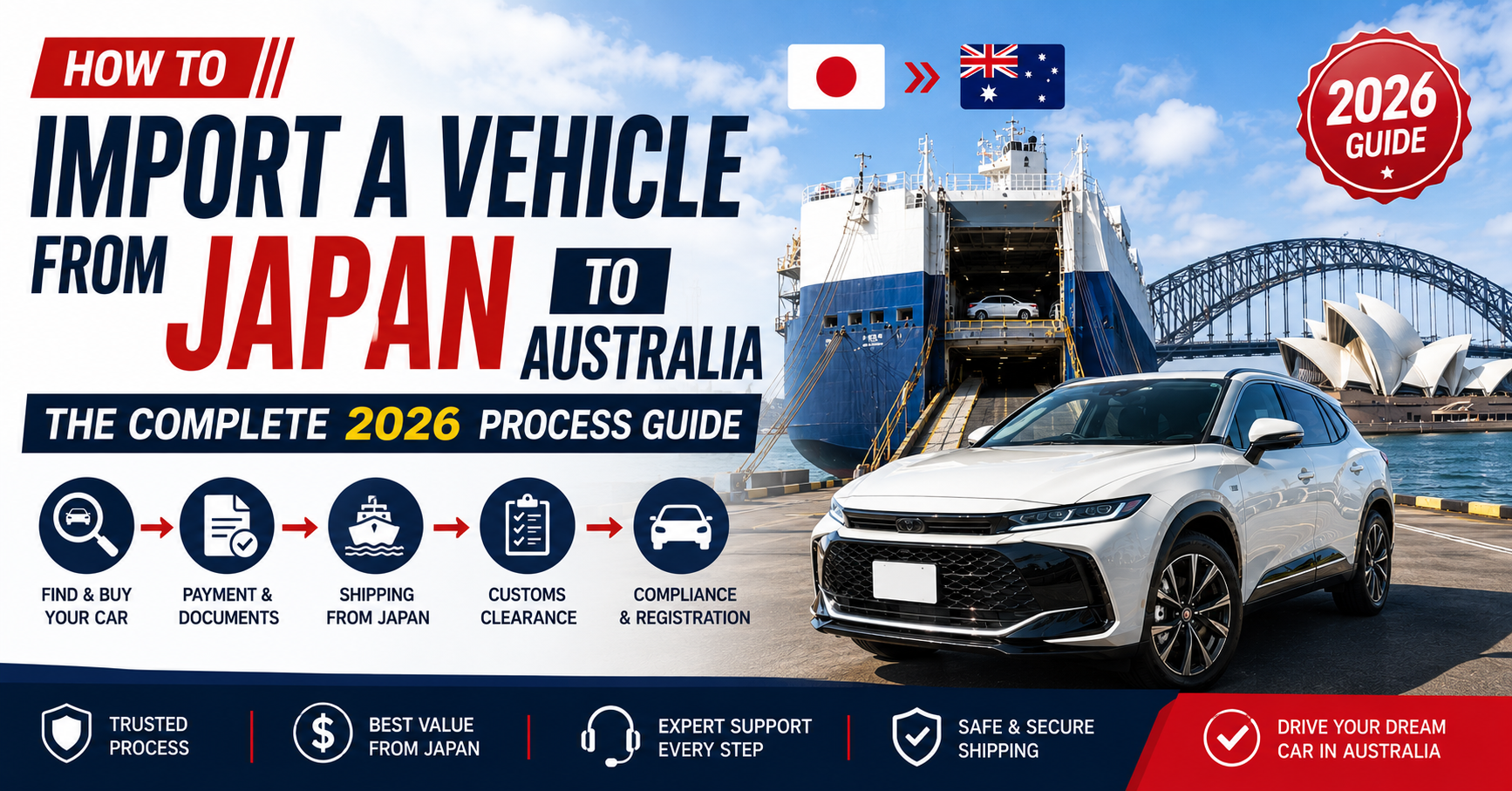
Importing a vehicle from Japan to Australia follows six stages: (1) confirm the vehicle is eligible under the 25-year rule, SEVS, or Personal Import Scheme, (2) get approval through ROVER before the car ships, (3) buy and arrange freight from Japan, (4) clear Australian Border Force customs and pay duty/GST, (5) pass DAFF biosecurity inspection, and (6) complete compliance work and state registration. Skipping the approval step before shipping is the single most common — and most expensive — mistake importers make.
If you haven't confirmed your vehicle is actually eligible yet, start with our guide on which Japanese vehicles you can import to Australia, and check your exact model and code against our SEVS-approved vehicle breakdown before you go any further.
Step 1: Confirm your vehicle is actually eligible
Before you bid on anything, work out which of the three import pathways applies:
- The 25-year rule — the vehicle was manufactured 25+ years ago (built 2001 or earlier, as of 2026). No SEVS listing needed.
- The SEVS pathway — the vehicle is under 25 years old and must be listed on the Specialist and Enthusiast Vehicles Register under your exact make, model and model code.
- The Personal Import Scheme — you personally owned and used the vehicle overseas for 12+ months and are relocating to Australia permanently.
This is the step most people rush, and it's the one that determines everything downstream. For the full breakdown of how these three pathways work and which Japanese models currently sit on the SEVS list, see our two companion guides:
- Which Japanese Vehicles Can You Import to Australia? (SEVS & ROVER Guide)
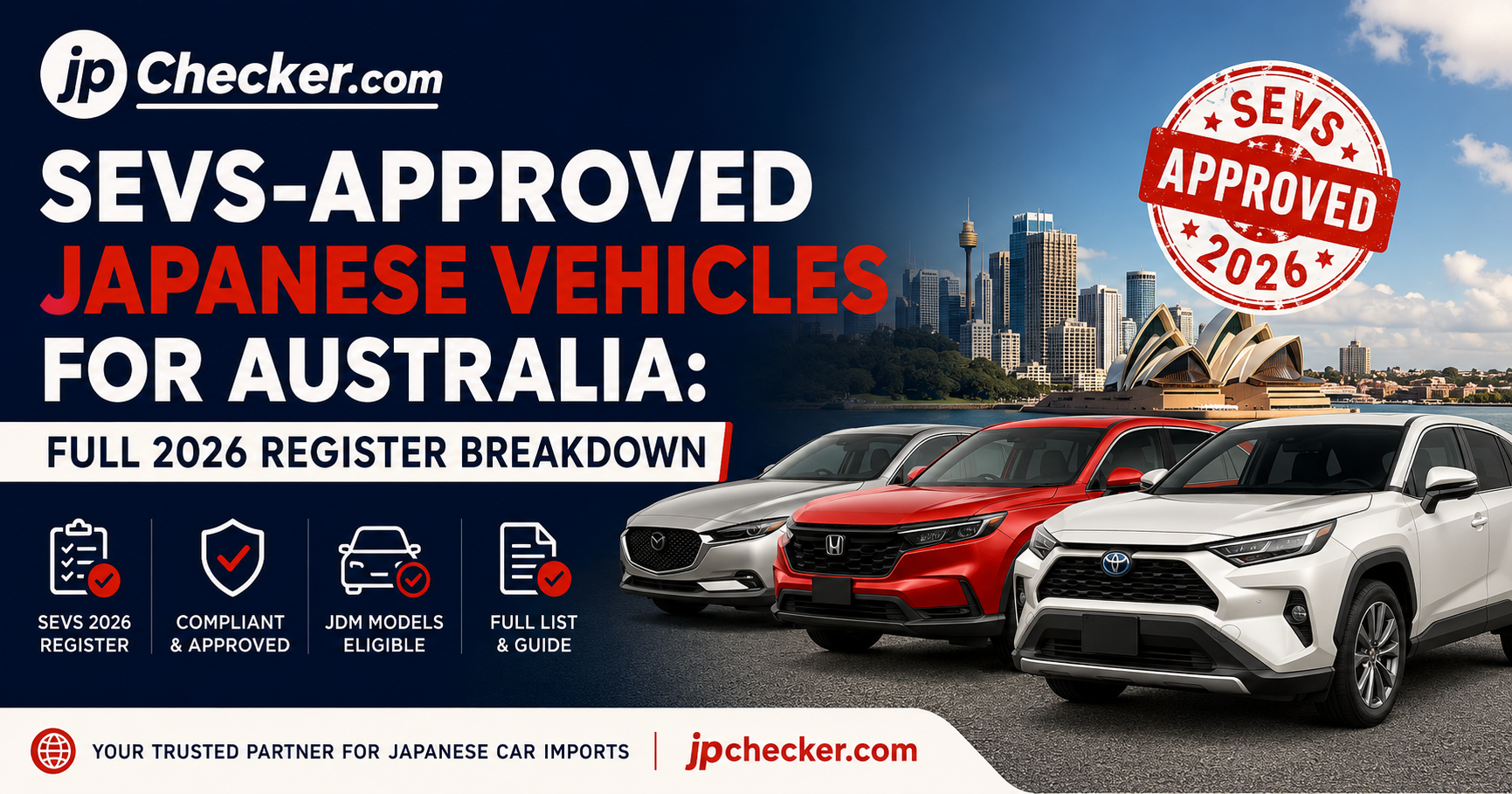
- SEVS-Approved Japanese Vehicles for Australia: Full 2026 Register Breakdown
Step 2: Get ROVER approval before the vehicle ships
ROVER (Road Vehicle Regulator) is the Australian government's system for import approvals under the Road Vehicle Standards legislation. This is the step people get wrong most often: approval needs to be secured before the vehicle leaves Japan, not after it lands.
What this involves:
- Lodge a Vehicle Import Approval (VIA) application through ROVER, paying the associated fee.
- If importing under SEVS, confirm the specific SEV entry covering your model code is currently in force (not expired) at the time of application — SEVS listings carry individual expiry dates and are periodically renewed or removed.
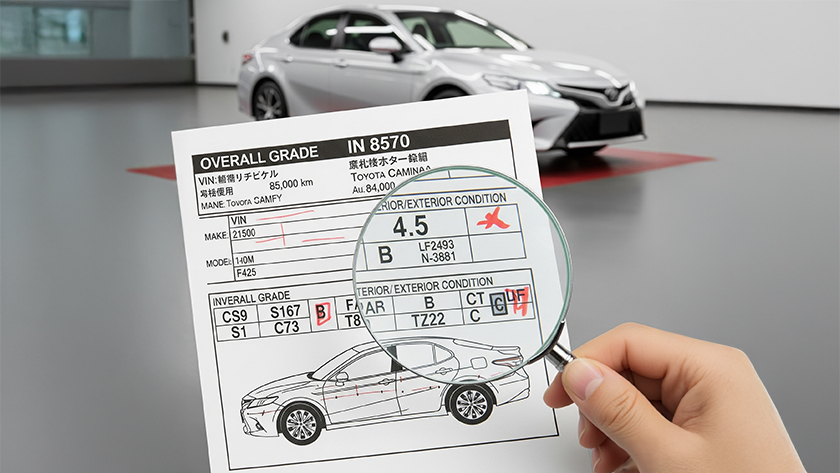
- Provide vehicle identification details — chassis/VIN number, engine number, and supporting documentation (auction sheet, export certificate).
- Wait for approval confirmation before finalising shipping arrangements.
Arriving in Australia without prior approval risks the vehicle being held at the wharf, incurring storage fees, or in the worst case being ordered for re-export at your cost.
Step 3: Buy the vehicle and arrange shipping from Japan
Once eligibility and approval are sorted, the purchasing and freight stage typically looks like this:
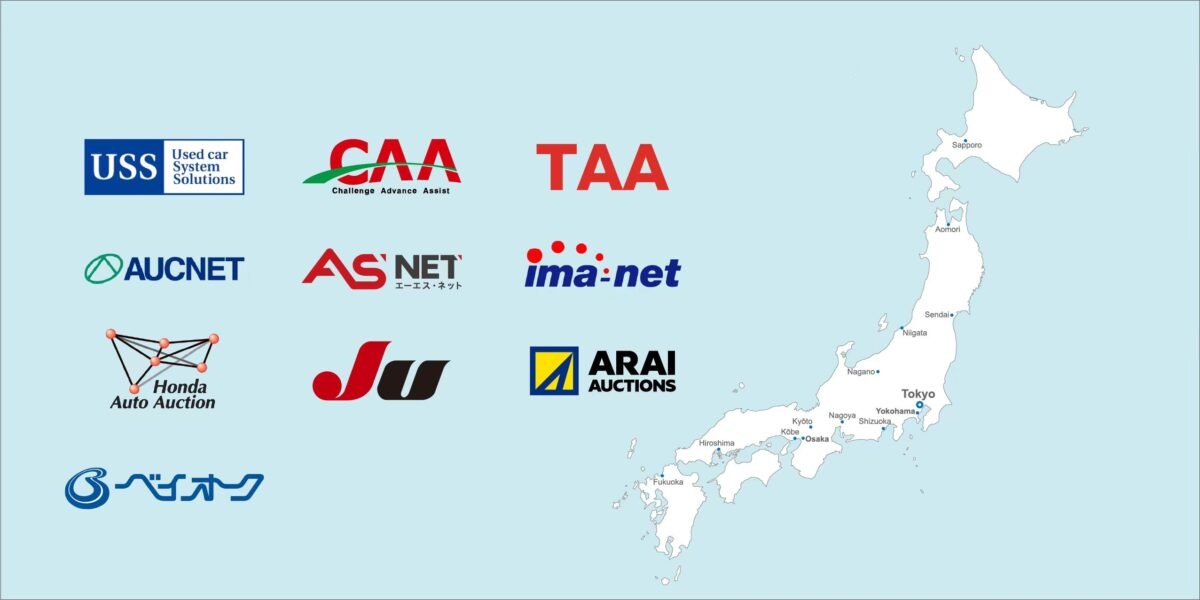
- Source the vehicle — commonly through a Japanese auction house (via an agent) or a direct export dealer.
- Get the auction sheet translated and verified — grade, mileage, accident history and equipment specs all affect both value and eligibility, since SEVS approvals are granted per exact variant.
- Choose a freight method — Roll-on/Roll-off (RoRo) is cheaper and common for standard vehicles; container shipping costs more but offers better protection and is often required for modified, low, or high-value vehicles.
- Arrange pre-export cleaning — Australia's biosecurity rules are strict (more on this in Step 5), and a professional steam clean and inspection in Japan before the vehicle ships significantly reduces the risk of a failed inspection on arrival.
- Confirm marine insurance for the voyage — freight forwarders can usually arrange this.
Transit time from Japan to Australia is typically several weeks depending on the departure port and shipping line.
Step 4: Clear Australian Border Force customs
On arrival, the vehicle enters customs control through the Australian Border Force (ABF), where you'll need to account for:
- Customs duty — Japanese-built vehicles generally attract 0% duty under the Japan-Australia Economic Partnership Agreement (JAEPA), provided you can supply proof of Japanese origin.
- GST — charged at 10% of the customs value (vehicle price + freight + insurance).
- Luxury Car Tax (LCT) — applies if the vehicle's value exceeds the LCT threshold for the relevant financial year.
You'll need your ROVER approval reference, the bill of lading, the commercial invoice, and proof of origin documentation ready for the customs entry.
Step 5: Pass DAFF biosecurity inspection
This is the stage most first-time importers underestimate. Every vehicle entering Australia — regardless of import pathway — must clear inspection by the Department of Agriculture, Fisheries and Forestry (DAFF), which checks for soil, seeds, plant matter, insects, mould and other contamination risks.
What to expect:
- External and internal inspection on arrival, covering the undercarriage, wheel wells, engine bay, cabin, and boot.
- Used vehicles processed by a DAFF-recognised offshore treatment provider before shipping generally receive a reduced level of inspection on arrival, since contamination issues should already be addressed.
- Seasonal Brown Marmorated Stink Bug (BMSB) measures apply during the high-risk season (broadly September–April), which can mean mandatory offshore treatment for vehicles shipping from certain risk countries during that window — this matters less for direct-from-Japan shipments but is worth checking with your freight forwarder if your route involves a risk-country transit port.
- If contamination is found, the vehicle is referred to a DAFF-approved cleaning facility for treatment, then re-inspected — at your cost, and with your vehicle held until it passes.
The practical takeaway: arrange professional pre-export cleaning in Japan rather than treating DAFF inspection as an afterthought. It's far cheaper to steam-clean the underbody before the vehicle ships than to pay for delays, storage and re-inspection once it's sitting at an Australian port.
Step 6: Complete compliance work and state registration
The final stretch depends on your import pathway:
- SEVS imports need certification work completed by a Registered Automotive Workshop (RAW) before the vehicle can be plated.
- 25-year rule imports generally skip the RAW compliance step but still need a standard roadworthy inspection.
- All imports then go to your state or territory transport authority for final registration, where you'll need to provide your import approval documentation, compliance plate/certification, and pass the standard state roadworthy check.
Once registered, the vehicle can legally go on Australian roads.
Typical cost components to budget for
| Cost item | What it covers |
|---|---|
| Vehicle purchase price | Auction hammer price + agent/buyer fees |
| ROVER application fee | Vehicle Import Approval lodgement |
| Freight | RoRo or container shipping from Japan |
| Marine insurance | Coverage during transit |
| Customs duty | Typically 0% for Japanese-origin vehicles under JAEPA |
| GST | 10% of customs value |
| Luxury Car Tax | If applicable, above the annual threshold |
| DAFF inspection / cleaning | Standard inspection fee, plus treatment costs if contamination is found |
| RAW compliance (SEVS only) | Workshop certification and any required modifications |
| State registration & roadworthy | Set by your state/territory authority |
FAQs
Can I start shipping before my ROVER approval comes through? No — approval needs to be secured before the vehicle leaves Japan. Shipping first risks the vehicle being held at the Australian wharf, storage fees, or forced re-export.
Do all imported vehicles need a DAFF inspection, even under the 25-year rule? Yes. Biosecurity inspection applies to every imported vehicle regardless of which import pathway it qualifies under.
How long does the whole process take? Realistically, allow several months end to end: sourcing and purchase, ROVER approval, several weeks of shipping, then customs, biosecurity and compliance processing on arrival. Timelines vary by port, workshop availability, and whether the vehicle passes DAFF inspection on the first attempt.
Is duty always 0% on vehicles from Japan? Duty is typically 0% for genuinely Japanese-origin vehicles under JAEPA, but you still need to supply proof of origin at customs, and GST (and LCT, if applicable) still apply regardless of the duty rate.
Related reading
- Which Japanese Vehicles Can You Import to Australia? (SEVS & ROVER Guide)
- SEVS-Approved Japanese Vehicles for Australia: Full 2026 Register Breakdown
This guide reflects the process as it currently stands under Australia's Road Vehicle Standards legislation and DAFF biosecurity requirements. Rules, thresholds and fees change — always confirm current requirements on ROVER and the Australian Border Force before committing to a purchase.