Japan Auto Auction Types: Complete Guide to Online, Sealed Bid & Dealer Stock (2025)
Learn about 4 types of Japan auto auctions - Online Live Auctions (USS, TAA, JAA), Sealed Bid, One Price Dealer Stock, and Negotiations. Complete guide to bidding systems and processes.
Not all Japan auto auctions work the same way! Understanding the different auction types is crucial for successful car buying from Japan. Let me break down each system so you know exactly what to expect.
4 Types of Japan Auto Auctions
Japanese car auctions operate through four distinct systems, each with unique rules, timing, and bidding processes. Knowing which type you're dealing with helps you prepare the right strategy and avoid costly mistakes.
Type 1: Online Live Auctions (Real-Time Bidding)
What Are Online Japanese Auctions?
Online live auctions are the most common type of Japan auto auction, where bidding happens in real-time with instant results. This is where most Japanese used cars are sold daily.
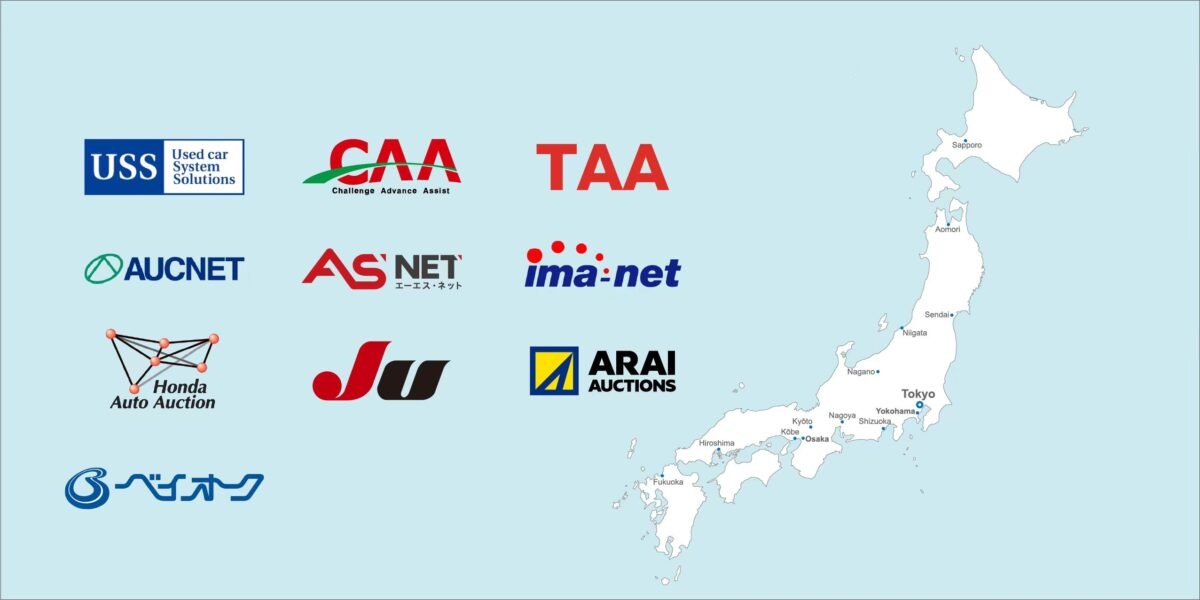
Major Online Auction Houses:
- USS (Largest network)
- TAA (Toyota Auto Auction)
- JAA (Japan Auto Auction)
- JU (Japan Used Car)
- KAA (Kansai Auto Auction)
- KCAA (Kinki Chuo Auto Auction)
- LAA (Local Auto Auction)
- MIRIVE
- NAA (Nippon Auto Auction)
- SAA (Saitama Auto Auction)
- ZIP Auction
How Online Live Auctions Work
Auction Schedule:
- 🕐 Start Time: 9:00 AM JST (Japan Standard Time)
- ⏱️ Duration: Runs continuously until last vehicle
- ⚡ Speed: Each car sells in just 10-30 seconds
- 📅 Frequency: Most auction houses operate Monday-Saturday
The Bidding Process:
1. Starting Price System The seller sets a starting price (reserve price). Bidding begins at ¥0 and climbs toward the starting price. Once the starting price is reached, buyers begin competing for the vehicle.
2. Real-Time Competition When the car appears on the auction screen, licensed dealers see:
- Vehicle details and inspection grade
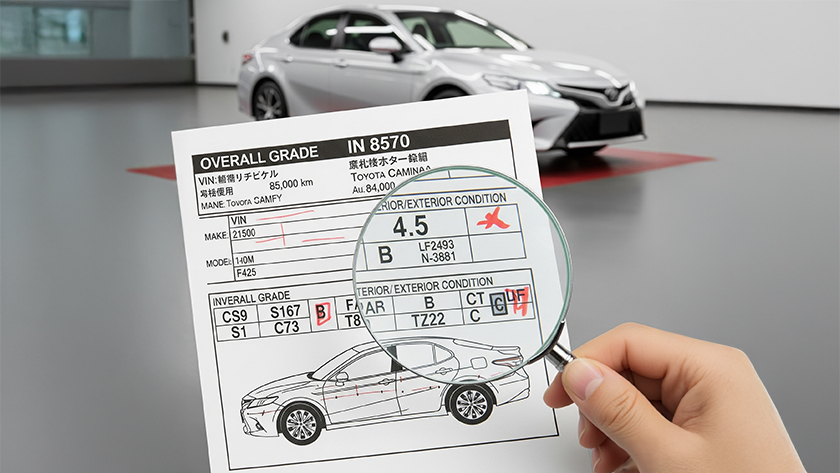
- Auction sheet information
- Current bid price
- Time remaining (10-30 seconds)
3. Bid Increments Each bid step increases by:
- ¥3,000 (approximately $20-25 USD)
- ¥5,000 (approximately $35-45 USD)
The exact increment depends on which auction house you're bidding at.
4. Button Pressing System Bidders press a button to increase their bid by one step. It's fast-paced and competitive, so knowing your maximum price beforehand is essential!
5. Instant Results The moment the timer ends:
- ✅ Winning bidder receives immediate email notification
- 📧 Invoice sent within minutes
- 💰 Payment typically due within 2-3 business days
Why This System Works:
The speed prevents emotional bidding and keeps auctions efficient. With thousands of cars selling daily, the 10-30 second format ensures smooth operations.
Pro Tips for Online Live Auctions:
- 🎯 Set your maximum bid before auction starts
- ⏰ Know your car's approximate auction time
- 💪 Be ready to act fast when your car appears
- 📱 Ensure stable internet connection
- 🔢 Calculate your final bid including all costs
Type 2: Sealed Bid Auctions (Tender System)
What Are Sealed Bid Auctions?
Sealed bid auctions (also called tender auctions) work completely differently from live auctions. Instead of real-time bidding, you submit one secret bid and wait for results.
Major Sealed Bid Auction Houses:
- AEP (Auto Exchange Plus)
- IPA (Internet Pre-Auction)
- Isuzu Auctions
- LUM Auctions
- NAA Nyusatsu (Tender format)
- Nissan Osaka Auctions
- NPS (Nissan Pre-Sale)
- ORIX Auto Auctions
- SAKURA Auctions
- ZERO Auctions
How Sealed Bid Auctions Work
Auction Timeline:
Morning (Bidding Opens):
- 🌅 Auction listings published online
- 📋 Buyers review vehicles and auction sheets
- 💭 Calculate maximum bid price
- 📝 Submit one sealed bid per vehicle
Throughout the Day:
- 🔒 All bids remain secret and hidden
- 👁️ No one can see competitors' bids
- ⏳ Bidding window typically closes evening (5-7 PM)
Evening/Next Morning (Results):
- 🏆 Highest bidder wins the vehicle
- 📧 Winners notified by email
- ❌ Losing bidders also receive notification
Critical Rules for Sealed Bid Auctions:
⚠️ One Bid Only You cannot change or increase your bid after submission. Your first bid is your final bid.
⚠️ Binding Commitment Submitting a sealed bid means you agree to purchase the vehicle if you win. You cannot refuse or back out after winning.
⚠️ No Visibility Unlike online live auctions where you see competing bids, sealed bid auctions keep all bids completely secret until results are announced.
Strategic Considerations:
Advantages:
- ✅ More time to research and calculate bid
- ✅ Less pressure than real-time bidding
- ✅ No need to be online at specific time
- ✅ Good for beginners who want to think carefully
Disadvantages:
- ❌ Risk of bidding too high (no competitor visibility)
- ❌ Risk of bidding too low and losing
- ❌ Longer wait for results
- ❌ Binding commitment before knowing if you won
Sealed Bid Auction Tips:
- 📊 Research recent sale prices for similar vehicles
- 🎯 Bid your true maximum (you only get one shot)
- ⚖️ Balance between competitive and reasonable
- 📋 Triple-check auction sheet before bidding
- 💰 Remember your bid is a binding purchase agreement
Type 3: One Price (Dealer Stock)
What is One Price Dealer Stock?
One Price, also called Dealer Stock, is a fixed-price marketplace where vehicles are sold without competitive bidding. Think of it as a "buy now" option for Japanese used cars.
How One Price Works:
Fixed Pricing System:
- 💴 Seller sets one fixed price
- 🏷️ Price displayed clearly upfront
- 🛒 First buyer to agree gets the car
- ⚡ Instant purchase, no waiting
- 🤝 No negotiation on listed price
The Purchase Process:
- Browse Dealer Stock Listings
- View available vehicles with fixed prices
- Review condition and auction sheets
- Compare to current auction prices
- Decide to Purchase
- Agree to the declared price
- Submit purchase request
- Payment processed immediately
- Quick Acquisition
- ✅ Car purchased without competitive bidding
- ✅ No waiting for auction results
- ✅ Immediate ownership confirmation
- ✅ Faster than traditional auctions
Important Dealer Stock Considerations:
⚠️ Seller May Find Direct Buyer Sometimes the seller might find a buyer directly before your purchase completes. In this rare case, the vehicle becomes unavailable and you cannot complete the purchase.
When to Use Dealer Stock:
Good For:
- 🚀 Urgent vehicle needs
- 🎯 Specific hard-to-find models
- ⏰ Avoiding auction waiting periods
- 🔒 Securing rare vehicles immediately
- 😌 Avoiding bidding competition stress
Consider Carefully:
- 💰 Prices typically higher than auction hammer prices
- 📊 Compare to recent auction results for same model
- 🔍 Still need professional auction sheet verification
- ⚖️ Evaluate if convenience premium worth the cost
Dealer Stock Strategy:
The key question: Is paying 10-20% more worth getting the exact car you want immediately without bidding risk?
For rare models or urgent needs, the answer is often yes. For common vehicles, auction bidding usually offers better value.
Type 4: Negotiations (Post-Auction Buying)
What Are Auction Negotiations?
Negotiations happen when a vehicle doesn't sell at auction because bidding didn't reach the seller's asking price. This creates an opportunity to purchase through direct negotiation.
How Negotiations Work:
When Negotiations Become Possible:
During Auction:
- 🎯 Car enters auction with seller's reserve price
- 📊 Bidding occurs but doesn't reach reserve
- ❌ System marks vehicle as "unsold"
- 💭 Negotiation opportunity created
After Auction:
- 🤝 Your agent can request negotiation with seller
- 📧 Auction house facilitates communication
- 💴 You make an offer above last bid
- ⏳ Seller considers and responds
Negotiation Rules and Requirements:
Minimum Price Increase: Your negotiation offer must be at least ¥30,000 higher than the last bid during auction.
Example:
- Last auction bid: ¥500,000
- Minimum negotiation offer: ¥530,000
- You can offer more, but not less
⚠️ Double Commission Cost When purchasing through negotiation, the commission fee increases by 2 times (doubles) compared to standard auction purchases.
Seller's Options:
- ✅ Accept your offer (you buy the car)
- ❌ Refuse your offer (car remains unsold)
- 🔄 Counter-offer different price
Strategic Negotiation Approach:
Why Cars Don't Sell:
- 💰 Seller's reserve price too high
- 📉 Vehicle condition worse than expected
- 🔧 Hidden issues buyers noticed
- 📅 Wrong timing (low attendance)
- 🎯 Overestimated market value
When Negotiations Make Sense:
Good Opportunities:
- 🎯 Rare model you really want
- 💡 You spotted potential others missed
- 📊 Last bid was reasonable, just below reserve
- 🔍 Your research shows it's actually good value
Proceed Cautiously:
- ⚠️ Car repeatedly unsold at multiple auctions
- 🚩 Last bid was suspiciously low
- ❓ Unclear why bidders weren't interested
- 💸 Doubling commission makes total cost high
Negotiation Tips:
- 📋 Get auction sheet professionally translated first
- 🔍 Understand why car didn't sell
- 💰 Calculate if doubled commission still makes it worthwhile
- 🤔 Ask your agent's honest opinion
- ⏰ Be patient - seller motivated to sell unsold inventory
Cost Comparison Example:
Normal Auction:
- Car price: ¥1,000,000
- Standard commission: ¥50,000
- Total: ¥1,050,000
Through Negotiation:
- Negotiated price: ¥1,030,000 (¥30,000 above last bid)
- Doubled commission: ¥100,000
- Total: ¥1,130,000
Even though you negotiated down from seller's original asking price, the doubled commission means you might pay more overall!
Comparing All Four Auction Types
Quick Reference Guide
|
Auction Type |
Speed |
Competition |
Flexibility |
Best For |
|
Online Live |
⚡ 10-30 sec |
High |
Low |
Common vehicles, best prices |
|
Sealed Bid |
🕐 All day |
Hidden |
Medium |
Careful planning, less pressure |
|
One Price |
🚀 Instant |
None |
None |
Rare cars, urgent needs |
|
Negotiations |
📅 Days |
Low |
High |
Unsold gems, patient buyers |
Which Auction Type Should You Use?
Choose Online Live Auctions When:
- ✅ Seeking best value and competitive pricing
- ✅ Looking for common, popular models
- ✅ Comfortable with fast-paced bidding
- ✅ Can be available at specific auction times
- ✅ Working with experienced agent
Choose Sealed Bid Auctions When:
- ✅ Want more time to research and decide
- ✅ Prefer less pressure than live bidding
- ✅ Cannot be online during specific auction hours
- ✅ New to Japanese auctions and want to learn
- ✅ Willing to wait for results
Choose One Price Dealer Stock When:
- ✅ Found exact vehicle you want immediately
- ✅ Need car urgently without auction delays
- ✅ Seeking rare or hard-to-find model
- ✅ Willing to pay premium for convenience
- ✅ Want to avoid bidding uncertainty
Choose Negotiations When:
- ✅ Specific car didn't sell but you want it
- ✅ You understand why it didn't sell (and it's not concerning)
- ✅ Even with doubled commission, price is still reasonable
- ✅ Rare vehicle worth the extra effort
- ✅ Patient and flexible with timeline
Understanding Auction Timing
When Do Different Auctions Run?
Online Live Auctions:
- Monday-Saturday: Most major auction houses
- 9:00 AM start: Standard across Japan
- Continuous: Runs until last vehicle sold
- Peak times: Tuesday-Thursday typically highest inventory
Sealed Bid Auctions:
- Bidding window: Usually 12-24 hours
- Morning opening: Listings published early
- Evening closing: Typically 5:00-7:00 PM JST
- Results: Same evening or next morning
- Some run weekly, others multiple times per week
One Price Dealer Stock:
- Always available: 24/7 online access
- First come, first served: No specific timing
- Inventory changes: Continuously updated
- Quick decisions: Vehicle may sell any moment
Negotiations:
- Post-auction: After vehicle marked unsold
- Response time: Seller typically responds within 1-3 days
- Flexible timing: No rush or deadline pressure
- Multiple attempts: Can try again if initially refused
Pro Tips for All Auction Types
Universal Success Strategies
Before Any Auction:
- Get Professional Auction Sheet Translation
- Essential for all four auction types
- Understand true vehicle condition
- Spot red flags before bidding
- Worth $20-50 investment every time
- Research Market Prices
- Check recent sales for same model
- Know fair market value
- Set realistic maximum bid
- Avoid overpaying due to emotion
- Calculate Total Costs
- Auction/negotiation price
- Commission fees (standard or doubled)
- Shipping to your country
- Import duties and taxes
- Compliance and registration
- Verify Vehicle History
- Previous auction history
- Odometer verification
- Accident records
- Frame number check
- Work With Trusted Agent
- Experienced with all auction types
- Clear communication
- Honest advice about which system to use
- Transparent fee structure
During Bidding:
Online Live Auctions:
- 🎯 Know your max price beforehand
- ⚡ Be ready when your car appears
- 🧘 Stay calm despite quick pace
- 💪 Don't exceed your maximum
Sealed Bid Auctions:
- 📊 Bid your true maximum (one chance only)
- 🔍 Triple-check before submitting
- ⚖️ Remember bid is binding commitment
- 💭 Sleep on it if uncertain
One Price:
- 💰 Compare to recent auction prices
- ⏰ Act quickly if it's genuinely good deal
- 🤔 Don't rush if price seems high
- 📋 Still verify condition thoroughly
Negotiations:
- 💡 Understand why car didn't sell
- 💰 Factor in doubled commission
- 🤝 Be reasonable with offer
- 😊 Stay polite and professional
Common Mistakes to Avoid
Don't Do This! ❌
Online Live Auction Mistakes:
- ❌ Not knowing your maximum price beforehand
- ❌ Getting caught up in bidding excitement
- ❌ Poor internet connection during auction
- ❌ Not being available at auction time
- ❌ Bidding without seeing auction sheet
Sealed Bid Auction Mistakes:
- ❌ Bidding too conservatively and always losing
- ❌ Bidding too aggressively and overpaying
- ❌ Submitting bid without proper research
- ❌ Forgetting bid is binding commitment
- ❌ Not verifying vehicle condition first
One Price Mistakes:
- ❌ Assuming fixed price means good deal
- ❌ Rushing purchase without comparison
- ❌ Skipping auction sheet translation
- ❌ Not checking why it's dealer stock (unsold?)
- ❌ Ignoring recent auction prices for comparison
Negotiation Mistakes:
- ❌ Not understanding why car didn't sell
- ❌ Forgetting about doubled commission
- ❌ Offering minimum ¥30,000 increase when more needed
- ❌ Negotiating for repeatedly unsold problem vehicles
- ❌ Not calculating true final cost
Which Auction Houses Use Which Systems?
Quick System Reference
Online Live Auction Houses: USS, TAA, JAA, JU, KAA, KCAA, LAA, MIRIVE, NAA, SAA, ZIP
Sealed Bid Auction Houses: AEP, IPA, Isuzu, LUM, NAA Nyusatsu, Nissan Osaka, NPS, ORIX, SAKURA, ZERO
Note: Some auction houses operate both systems! NAA, for example, has both online live auctions (NAA) and sealed bid format (NAA Nyusatsu).
Your agent will tell you which system applies to each specific auction listing you're viewing.
Frequently Asked Questions
Can I bid in multiple auction types simultaneously? Yes! Many buyers bid in online live auctions while also submitting sealed bids for other vehicles. Just ensure you can afford to win multiple vehicles.
Which system has better prices? Generally online live auctions offer the most competitive pricing due to real-time market competition. One Price dealer stock typically costs 10-20% more.
Is sealed bid safer for beginners? Many beginners prefer sealed bids because there's less time pressure. However, the binding commitment and one-chance-only nature requires careful consideration.
Can I negotiate after winning an online auction? No. Online auction and sealed bid results are final. Negotiations only apply to unsold vehicles.
Why would I use One Price if it costs more? For rare vehicles, immediate needs, or when you find exactly what you want and don't want to risk losing it in competitive bidding.
How often do negotiation offers get accepted? Acceptance rates vary, but roughly 30-40% of reasonable negotiation offers are accepted. Sellers of unsold inventory are often motivated to make deals.
Ready to Start Bidding?
Understanding these four Japan auto auction types gives you a huge advantage! Now you can:
✅ Choose the right auction system for your needs ✅ Prepare appropriate bidding strategies ✅ Avoid system-specific mistakes ✅ Maximize your chances of success ✅ Get the best value for your money
Remember: Regardless of auction type, always get professional auction sheet translation and vehicle verification before bidding. This small investment protects you from expensive mistakes across all four systems.
Key Takeaways:
- Online Live Auctions (USS, TAA, JAA, etc.) - Fast-paced, best prices, 10-30 seconds
- Sealed Bid Auctions (ORIX, IPA, etc.) - One bid, hidden competition, binding commitment
- One Price Dealer Stock - Fixed price, instant purchase, convenience premium
- Negotiations - Post-auction offers, doubled commission, for unsold vehicles
Success in any auction type starts with understanding what you're bidding on. Get your auction sheets professionally translated and vehicle history verified before placing any bid!