Why Vehicle Lineup Is Crucial for Car Buyers: A Complete Guide
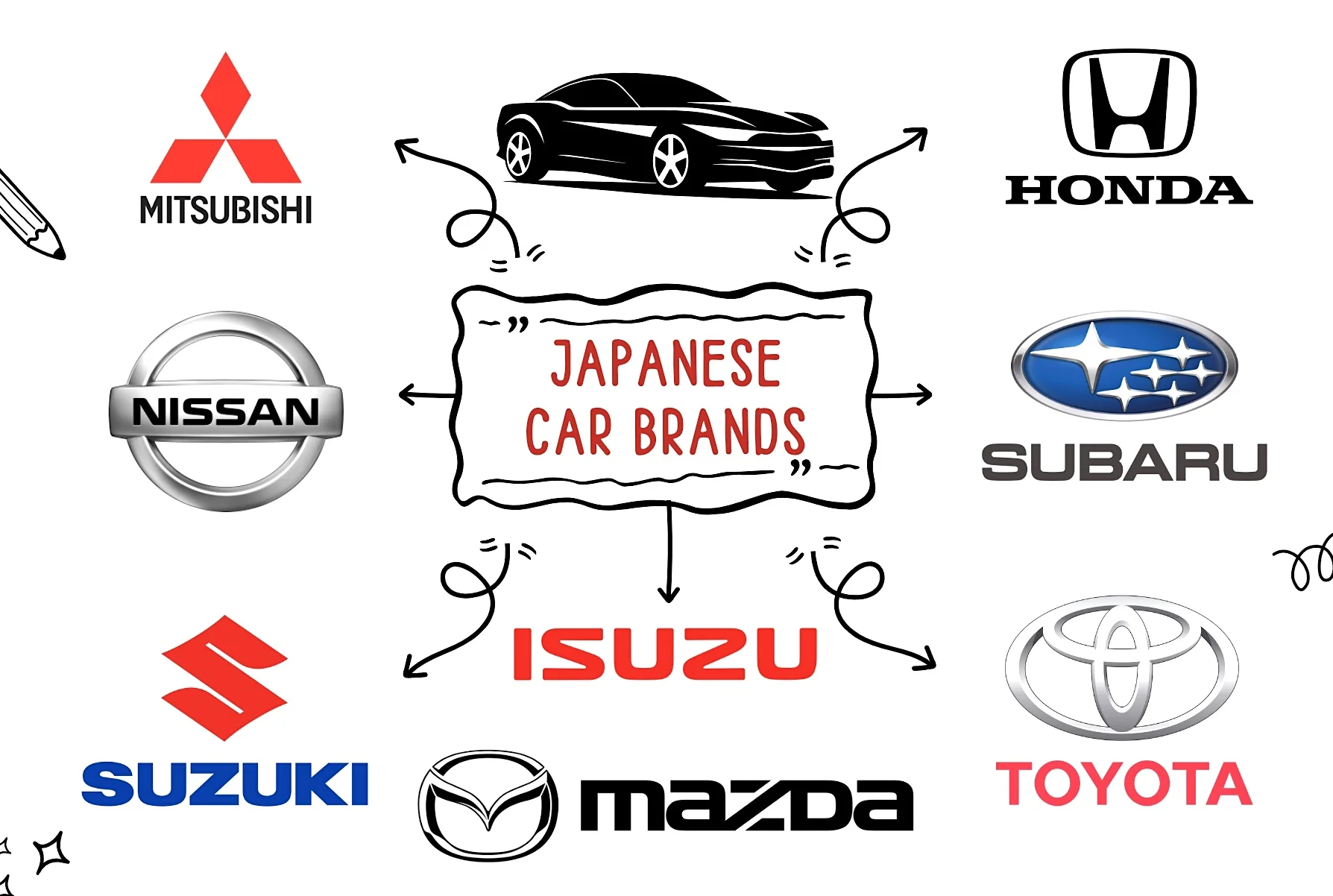
When shopping for a new car, one of the most important factors that influences your decision isn't just a single vehicle—it's the entire lineup a manufacturer offers. Whether you're looking at Toyota, Honda, Nissan, or any other Japanese automaker, understanding why a diverse and well-structured vehicle lineup matters can help you make a smarter purchasing decision.
What Is a Vehicle Lineup?
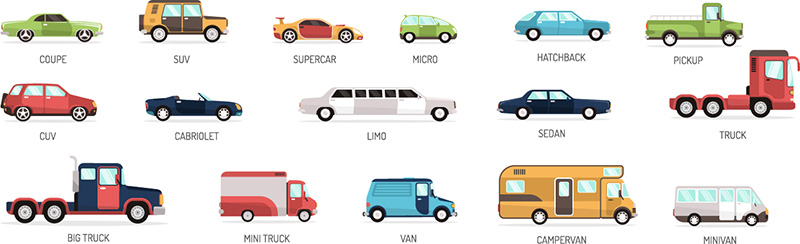
A vehicle lineup refers to the complete range of models and variants that an automotive manufacturer offers. For example, Toyota's lineup includes everything from compact cars like the Aqua to luxury sedans like the Crown, SUVs like the Land Cruiser, sports cars like the GR86, and even commercial vehicles.
Why Vehicle Lineups Matter to Customers
1. Meeting Diverse Life Stages and Needs
Your life circumstances change over time, and a comprehensive vehicle lineup ensures the brand can grow with you:
- Young professionals might start with a compact car like the Honda Fit or Suzuki Swift
- Growing families need minivans like the Toyota Alphard or SUVs like the Subaru Forester
- Outdoor enthusiasts require rugged vehicles like the Suzuki Jimny or Mitsubishi Pajero
- Retirees might prefer comfortable sedans like the Nissan Skyline or compact options like the Daihatsu Tanto
When manufacturers invest in diverse vehicle offerings, they demonstrate their commitment to serving different customer segments throughout their lives.
2. Brand Loyalty and Long-Term Value
Brand loyalty matters because it's often associated with higher residual values, making vehicles from trusted brands a more financially sound choice over time. When you know a manufacturer has options for your future needs, you're more likely to stay with that brand.
Example: Ford's truck loyalty rate reached 66.6%, the highest in the industry, because customers know they can rely on the brand for their next truck purchase.
3. One-Stop Shopping Experience
A comprehensive lineup means you can:
- Compare multiple options from the same manufacturer
- Maintain relationships with familiar dealers
- Benefit from consistent quality standards across models
- Enjoy similar technology and safety features across the range
4. Technology and Innovation Across Segments
Japanese automakers like Toyota, Honda, and Nissan spread their technological innovations across their entire lineup:
- Safety features: Toyota Safety Sense is available across most Toyota models
- Hybrid technology: Toyota offers hybrid options from the compact Aqua to the luxury Crown
- Four-wheel drive systems: Subaru's symmetrical AWD is standard across nearly all their vehicles
- Electric vehicles: Nissan's e-POWER technology spans multiple models
5. Price Points for Every Budget
A well-structured lineup ensures options at various price points:
Example from Suzuki's lineup:
- Entry-level: Alto (starting at ¥1,142,900)
- Mid-range: Hustler (starting at ¥1,518,000)
- Premium: Jimny Sierra (starting at ¥2,271,500)
- Electric: e Vitara (starting at ¥3,993,000)
6. Segment-Specific Solutions
Quality is the top priority for 58% of car shoppers, and they're looking at safety ratings, warranty coverage, and the manufacturer's overall reputation. A diverse lineup shows a manufacturer's expertise across different vehicle categories:
- City driving: Compact cars like Honda N-Box or Daihatsu Move
- Highway cruising: Sedans like Mazda6 or Honda Accord
- Off-roading: SUVs like Suzuki Jimny or Mitsubishi Outlander
- Commercial use: Trucks like Toyota Hilux or Suzuki Carry
What Japanese Automakers Excel At
Toyota

With over 30 models across passenger cars, SUVs, trucks, and luxury vehicles, Toyota offers unmatched variety. Their lineup includes everything from the affordable Passo to the prestigious Century. Explore Toyota's full lineup →
Honda

Known for versatility, Honda balances sporty performance (Civic Type R) with family practicality (Odyssey) and efficient commuting (Fit). View Honda's vehicle range →
Suzuki

Specializing in lightweight, efficient vehicles, Suzuki's lineup is perfect for customers seeking affordability without sacrificing quality. Their kei cars dominate Japan's urban markets. Browse Suzuki's lineup →
Subaru

With AWD standard across most models, Subaru caters specifically to customers prioritizing safety and all-weather capability. Discover Subaru's models →
Nissan
From the affordable Note to the performance-oriented GT-R, Nissan's diverse portfolio includes pioneering electric vehicles like the Ariya. Check out Nissan's lineup →
Mazda

Focusing on driving pleasure and design, Mazda's lineup is smaller but highly refined, appealing to enthusiasts who value craftsmanship. See Mazda's vehicle collection →
Mitsubishi

Strong in SUVs and trucks, Mitsubishi serves customers needing ruggedness and reliability, particularly in challenging environments. Explore Mitsubishi's range →
Daihatsu

Specializing in kei cars and compact vehicles, Daihatsu excels in urban mobility solutions with exceptional fuel efficiency. View Daihatsu's lineup →
How to Use Vehicle Lineups When Shopping
Step 1: Assess Your Current and Future Needs
Think beyond just today—consider where you'll be in 3-5 years.
Step 2: Explore the Full Lineup
Don't just look at one model. Browse the manufacturer's complete offerings to see what else might suit your needs or budget.
Step 3: Compare Across Segments
If you're considering an SUV, check whether the manufacturer also offers wagons or minivans that might better serve your needs.
Step 4: Consider Resale Value
Brands that consistently deliver vehicles aligned with customer expectations maintain higher loyalty rates and better resale values.
Step 5: Test Drive Multiple Models
Visit dealerships and experience different vehicles in the lineup to understand the brand's quality consistency.
The Bottom Line
A comprehensive vehicle lineup isn't just about having more choices—it's about ensuring that an automotive brand can meet your evolving needs throughout different life stages. Japanese automakers like Toyota, Honda, Suzuki, Subaru, Nissan, Mazda, Mitsubishi, and Daihatsu have built their reputations on offering diverse, high-quality lineups that serve customers from their first car purchase through decades of ownership.
What consumers really want to know is the quality and consistency of a brand's current lineup. When evaluating your next vehicle purchase, take the time to explore not just the model you're interested in, but the entire family of vehicles the manufacturer offers. This broader perspective will help you make a more informed decision and potentially build a long-lasting relationship with a brand that can grow with you.
Looking to verify a Japanese vehicle's history before purchase? Visit jpchecker.com for comprehensive vehicle inspection reports and peace of mind in your buying decision.