Why Vehicle Recall Checking Is the Most Important Step You're Probably Skipping
You Checked the Mileage. You Checked the Grade. But Did You Check the Recall?
There's a moment every used car buyer knows well — you've found the one. The mileage looks clean, the auction grade checks out, and the price feels right. You're ready to pull the trigger.
But there's one thing most buyers forget to check. One thing that could turn your dream import into a costly, stressful nightmare.
The vehicle's recall history.
At JPChecker.com, we see it happen regularly. Buyers pour hours into researching specs, auction sheets, and shipping costs — only to overlook one of the most important safety checks available to them. This guide is here to change that.
What Is a Vehicle Recall — and Why Should You Care?
A vehicle recall is issued when a manufacturer discovers a safety defect or compliance failure in a specific model or production batch. Think of it as the automaker raising their hand and saying, "We made a mistake, and we need to fix it."
Global brands like Toyota, Nissan, Honda, Mazda, Subaru, and Mitsubishi Motors issue recalls regularly — not because they're careless, but because safety standards are constantly evolving and real-world usage sometimes reveals issues that testing didn't.
Common recall defects include faulty airbag inflators, brake system failures, fuel pump defects, steering malfunctions, electrical fire risks, and engine stalling issues. These are not minor inconveniences. These are systems your life depends on.
The good news? Recall repairs are almost always free of charge. The manufacturer covers the cost. But only if you know about the recall and take action.
7 Powerful Reasons to Always Run a Vehicle Recall Check
1. Your Safety Is Non-Negotiable
This one doesn't need a lengthy explanation. A vehicle with an unresolved recall could have airbags that don't deploy, brakes that fade under pressure, or a fuel system that leaks near a heat source. These aren't theoretical risks — they're documented failures reported by real drivers.
Before any other consideration — price, appearance, fuel economy — comes safety. A recall check is your first line of defense.
2. Imported Vehicles Frequently Arrive with Open Recalls
This is the issue that surprises most people importing from Japan.
When a Japanese domestic market (JDM) vehicle is exported, there's no requirement to resolve outstanding recalls beforehand. The car could have been shipped before the owner ever received a recall notice. The recall might have been issued after the vehicle had already left the country. Or perhaps the previous owner simply ignored it.
Once that car arrives at your port, the recall travels with it — quietly, invisibly, unresolved.
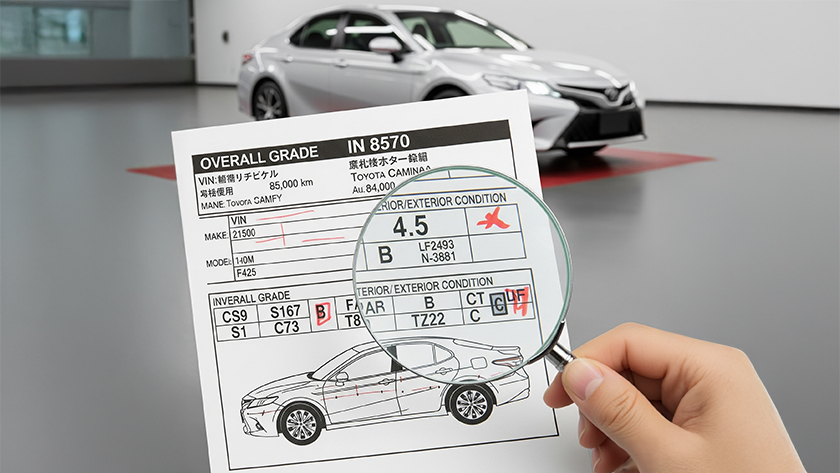
That's why at JPChecker.com, we always recommend treating a recall check as a non-negotiable part of your import checklist, right alongside reviewing the auction sheet and odometer history.
3. Unresolved Recalls Can Cost You Real Money
An open recall isn't just a safety issue — it's a financial one. Here's what buyers often discover too late:
Sourcing parts for older JDM models locally can be slow and expensive. Some vehicles with open recalls face registration complications depending on your country's import regulations. Insurance providers may query unresolved safety campaigns when processing claims. And when you go to sell the vehicle, a recall on record can reduce buyer confidence and knock dollars off your asking price.
A five-minute check before purchase can save you from weeks of headaches later.
4. Your Resale Value Depends on a Clean Safety Record
Today's used car buyers are more informed than ever. They run history checks. They ask the right questions. And increasingly, they're checking recall status before signing anything.
A vehicle with a documented, cleared recall history tells a story of responsible ownership. It says: this car was maintained, its issues were addressed, and it's safe to drive. That kind of confidence commands a stronger price and a faster sale.
On the flip side, an unresolved recall flagged at the point of sale can kill negotiations entirely — or give the buyer leverage to push the price well below market value.
5. Some Recalls Are Extremely Serious
Not all recalls are created equal. While some involve minor software updates or cosmetic fixes, others address catastrophic failures.
Some of the most significant recall campaigns in automotive history have involved faulty airbag inflators that ruptured violently on deployment, defective fuel pumps causing sudden engine shutdowns at highway speeds, and brake systems that degraded faster than expected under normal driving conditions.
These campaigns affected millions of vehicles across dozens of brands worldwide. The fact that a vehicle passed a visual inspection doesn't mean it's free from a serious underlying defect.
6. Free Repairs Expire If You Don't Act
Manufacturers fund recall repairs indefinitely in most cases — but not forever. Parts availability diminishes. Programs change. And critically, if you don't know a recall exists, you can't take advantage of the free repair.
Checking recall status gives you the information you need to approach a dealership or authorized service center and say: "I know this vehicle has an open recall. I need it resolved." Without that check, you might unknowingly pay out of pocket for a repair you were entitled to for free.
7. Peace of Mind Is Worth Everything
There's a version of used car ownership where every strange noise sends you searching forums at midnight. And there's a version where you got the full picture before you bought, resolved everything that needed resolving, and drive with complete confidence.
A recall check is what separates those two experiences.
When Should You Check for Recalls?
The short answer: early and often.
Specifically, you should run a recall check before importing a vehicle from Japan, before finalizing any used car purchase locally, immediately after receiving a shipment, before listing a vehicle for resale, and periodically throughout ownership as new recalls are announced.
Recall databases are updated continuously as manufacturers identify new issues. A vehicle that was recall-free last year may have a new campaign issued this year.
How JPChecker.com Makes It Simple
Running a vehicle recall check used to mean navigating multiple databases, cross-referencing chassis numbers, and hoping you were looking in the right place.
JPChecker.com streamlines the entire process. Using the vehicle's chassis or VIN number, our platform verifies recall status, checks Japanese vehicle history, confirms auction records, and flags any unresolved safety campaigns — all in one place, in minutes.
We built this tool because we believe informed buyers make better decisions. And better decisions mean safer roads.
The Bottom Line
Skipping a vehicle recall check is like buying a house without checking the foundation. Everything might look fine on the surface — until it isn't.
Whether you're importing a JDM vehicle from Japan or purchasing locally, recall verification is not an optional step. It's a fundamental part of responsible ownership that protects your safety, your wallet, and your peace of mind.
Don't let an unresolved recall be the thing you wish you'd checked.
Run your vehicle recall check at JPChecker.com before you buy — and drive with confidence.
Have questions about importing vehicles or checking recall status? Explore more guides at JPChecker.com or reach out to our team directly.