The Ultimate Guide to Kei Cars: Japan's Ingenious Compact Vehicles
If you've ever walked the streets of Tokyo or Osaka, you've likely noticed adorable, box-shaped miniature vehicles zipping through narrow alleyways and tucked into impossibly small parking spaces. These aren't toy cars—they're kei cars (軽自動車, kei jidōsha), Japan's brilliant solution to urban mobility challenges.
What Are Kei Cars?
Kei cars, short for "keijidosha" meaning "light automobile," represent a uniquely Japanese vehicle category that emerged in the post-World War II era. Created to provide affordable transportation during Japan's reconstruction period, these compact vehicles have evolved into cultural icons that perfectly embody Japanese values of efficiency and innovation.
Official Kei Car Specifications
To qualify as a kei car, vehicles must meet strict Japanese government regulations for dimensions and engine size:
- Maximum Length: 3.4 meters (11.2 feet)
- Maximum Width: 1.48 meters (4.9 feet)
- Maximum Height: 2.0 meters (6.6 feet)
- Engine Capacity: Limited to 660cc
- Power Output: Typically capped at 63-64 horsepower
Despite these constraints, Japanese automakers have created remarkably versatile and practical vehicles that excel in urban environments.
Why Are Kei Cars So Popular in Japan?
Economic Benefits
Kei cars offer significantly lower ownership costs, with annual taxes around $100 compared to approximately $365 for larger vehicles. New models typically cost between 1.2 to 2 million yen (approximately $8,000-$13,500 USD), making them far more affordable than standard-sized cars.
Space Efficiency
In densely populated Japanese cities where parking is at a premium, kei cars are often the only vehicles that can fit into available spaces. Their compact dimensions make them ideal for navigating narrow streets and crowded urban areas.
Fuel Economy
Kei cars are remarkably efficient, with some Suzuki Alto models achieving at least 80 miles per gallon, roughly triple the average fuel economy in countries like the United States.
Environmental Benefits
Their small engines and lighter weight mean kei cars produce fewer emissions than conventional vehicles, aligning with Japan's environmental consciousness.
Complete Kei Car Lineup by Manufacturer (2023-2025)
🔹 Honda - The N-Series Dominance
Honda's N-series has dominated the kei car segment, with all models receiving updates or new generations from 2023 onward.
Honda N-Box - https://www.honda.co.jp/Nbox/
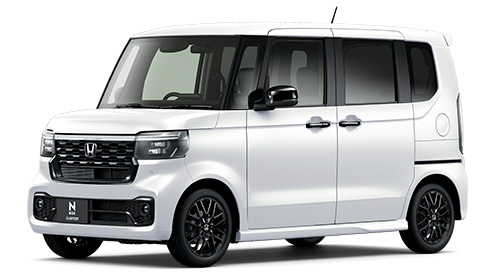
Type: Best-selling kei box car
The Honda N-Box has been Japan's best-selling kei car for five consecutive years and was the most popular vehicle overall in Japan during the first half of 2025. The third-generation model was introduced in 2023, bringing enhanced safety features and improved interior space.
Key Features:
- Spacious cabin with clever storage solutions
- Advanced Honda Sensing safety technology
- Available in Standard, Custom, and Joy variants
- CVT transmission standard
Honda N-One - https://www.honda.co.jp/N-ONE/
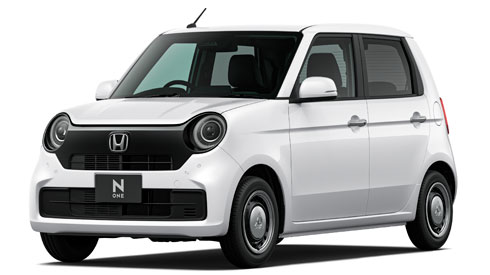
Type: Retro-styled compact kei hatch
The N-One stands out with its distinctive retro design inspired by Honda's first production car, the N360. This model appeals to style-conscious buyers seeking a premium kei car experience.
Key Features:
- Unique retro-modern styling
- Refined interior quality
- Fun-to-drive character
- Premium positioning in Honda's lineup
Honda N-WGN - https://www.honda.co.jp/N-WGN/
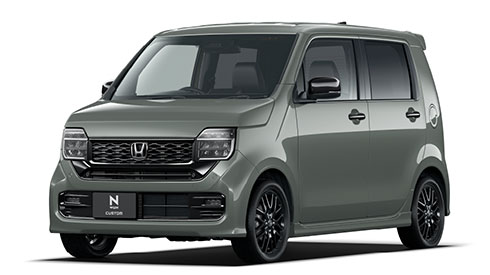
Type: Simple kei hatchback
The N-WGN offers a straightforward, practical approach to kei car ownership with Honda's renowned reliability.
Key Features:
- Clean, functional design
- Good cargo capacity for its size
- Reliable Honda engineering
- Value-oriented pricing
Honda N-Van - https://www.honda.co.jp/N-VAN/
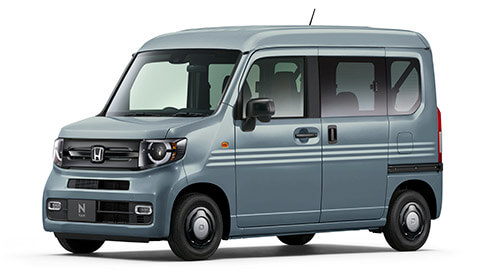
Type: Kei van for cargo and passengers
The N-Van bridges the gap between commercial and passenger vehicles, offering exceptional versatility for small business owners and outdoor enthusiasts.
Key Features:
- Maximum cargo space with flat floor
- Removable passenger seat for extra capacity
- Both 2-seat and 4-seat configurations
- Ideal for work and recreation
🔹 Suzuki - The Kei Car Specialist
Suzuki is one of the largest kei car producers in Japan, with an extensive lineup covering every segment. All these models were actively sold in 2023–2025.
Suzuki Wagon R
Type: Classic tall-wagon kei car
The Wagon R revolutionized the kei car segment in 1993 with its tall wagon design. It remains one of Japan's best-selling kei cars and pioneered the spacious interior layout that defines modern kei cars.
Key Features:
- Pioneer of the tall wagon concept
- Available with hybrid powertrain
- Efficient packaging with upright seating
- Proven reliability over decades
Suzuki Wagon R Smile
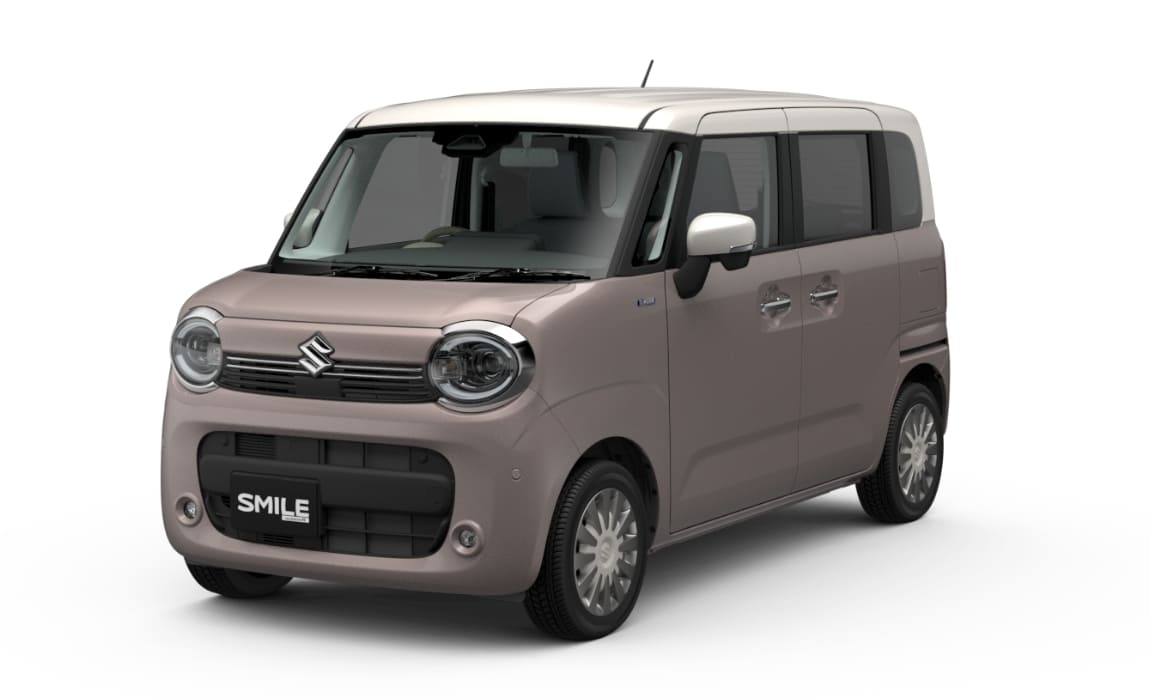
Type: Sliding-door variant of the Wagon R
The Wagon R Smile adds sliding rear doors to the proven Wagon R formula, making it even more family-friendly and accessible.
Key Features:
- Convenient sliding doors
- Enhanced accessibility
- Maintains Wagon R's efficiency
- Modern, friendly styling
Suzuki Spacia
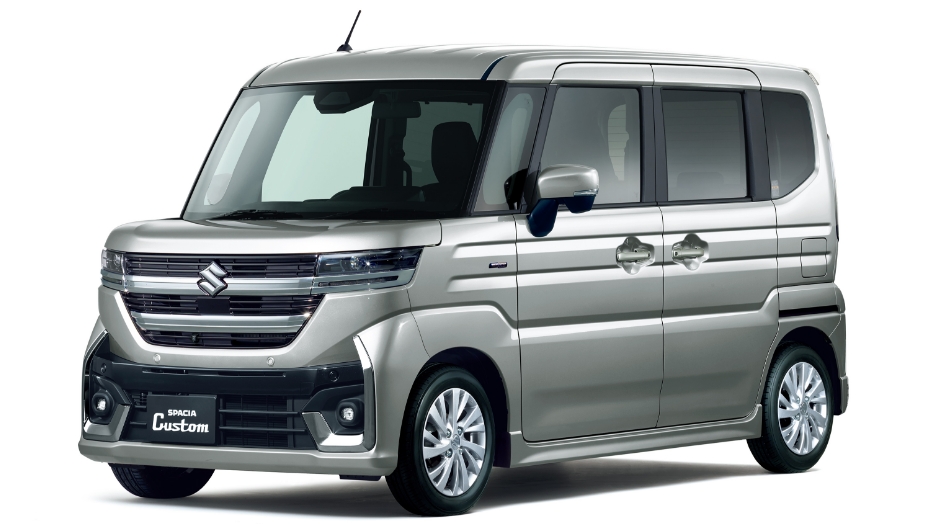
Type: Box-style kei car focused on space
The Spacia is designed for maximum interior volume, making it a top choice for families who need versatile passenger and cargo space.
Key Features:
- Class-leading interior room
- Sliding rear doors on both sides
- Available in naturally aspirated and turbo variants
- Multiple seating configurations
Suzuki Alto - https://www.suzuki.co.jp/car/alto/
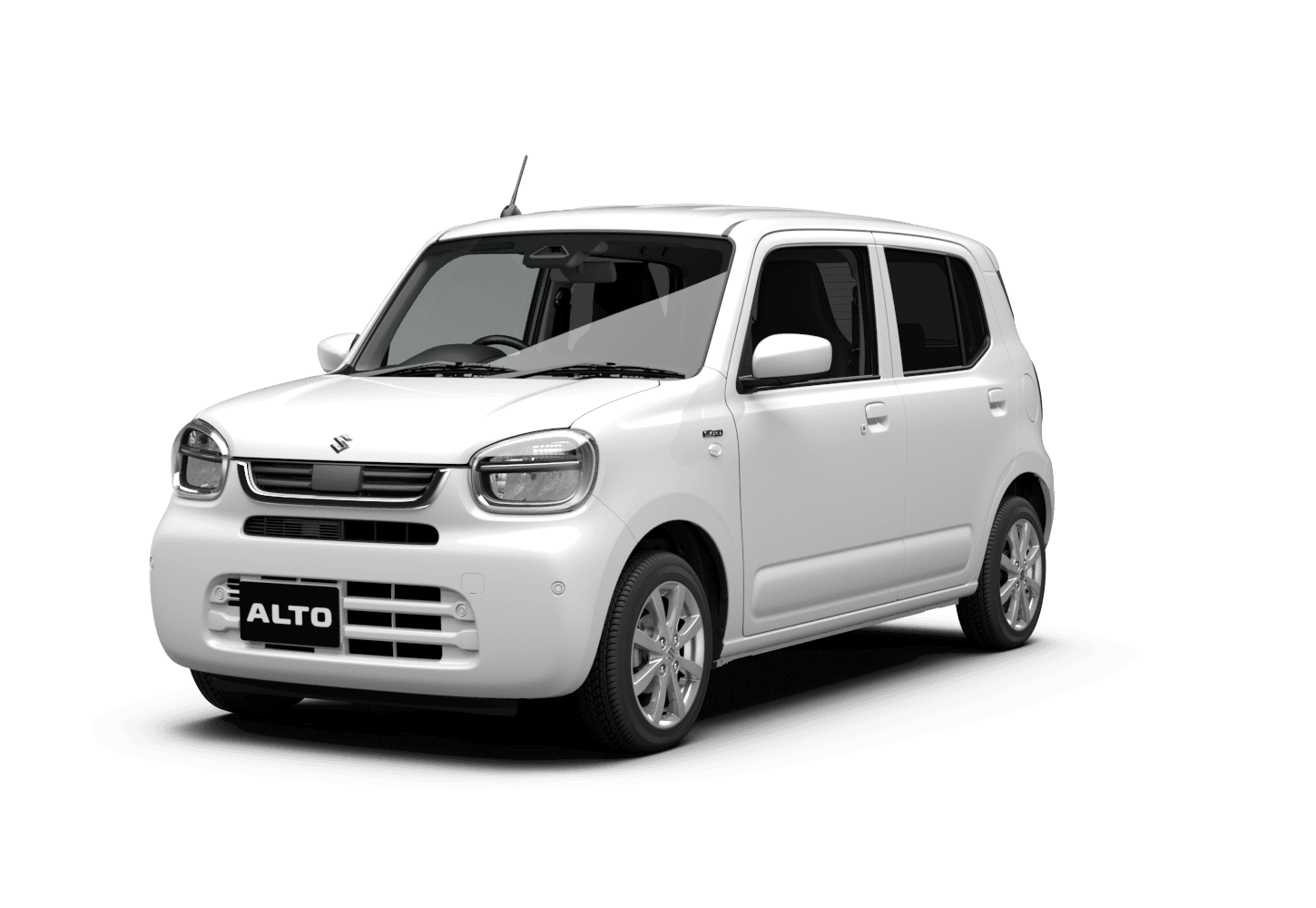
Type: Long-running compact kei hatch
The Alto is Suzuki's entry-level kei car and one of the most economical vehicles available in Japan, with a heritage dating back to 1979.
Key Features:
- Lightweight design (under 700kg)
- Outstanding fuel economy (80+ mpg possible)
- Simple, reliable mechanics
- Most affordable kei car option
Suzuki Alto Lapin
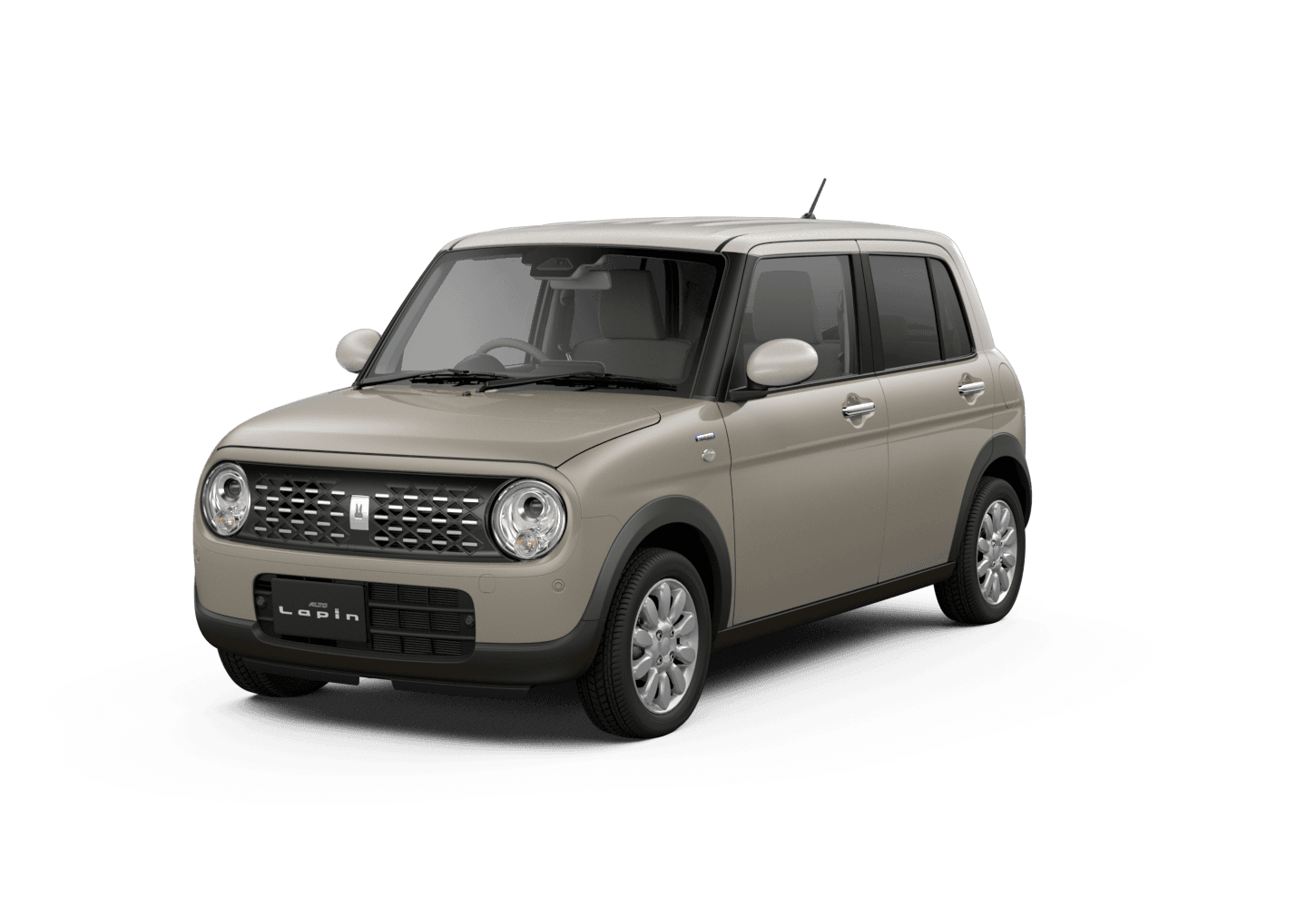
Type: Stylish, retro-flavored kei car
The Lapin (French for "rabbit") targets fashion-conscious buyers, particularly young women, with its charming retro-inspired design.
Key Features:
- Cute, feminine styling with rounded elements
- Variety of pastel color options
- Customizable interior accessories
- Attention to aesthetic details
Suzuki Hustler
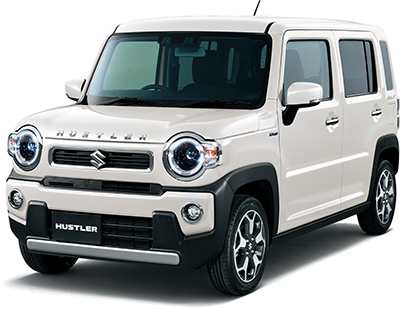
Type: Crossover-styled kei wagon
The Hustler combines SUV styling with kei car efficiency, creating a unique crossover that appeals to outdoor enthusiasts.
Key Features:
- Rugged crossover appearance
- Available with mild hybrid system
- Higher ground clearance
- Available 4WD for light off-road use
Suzuki Jimny
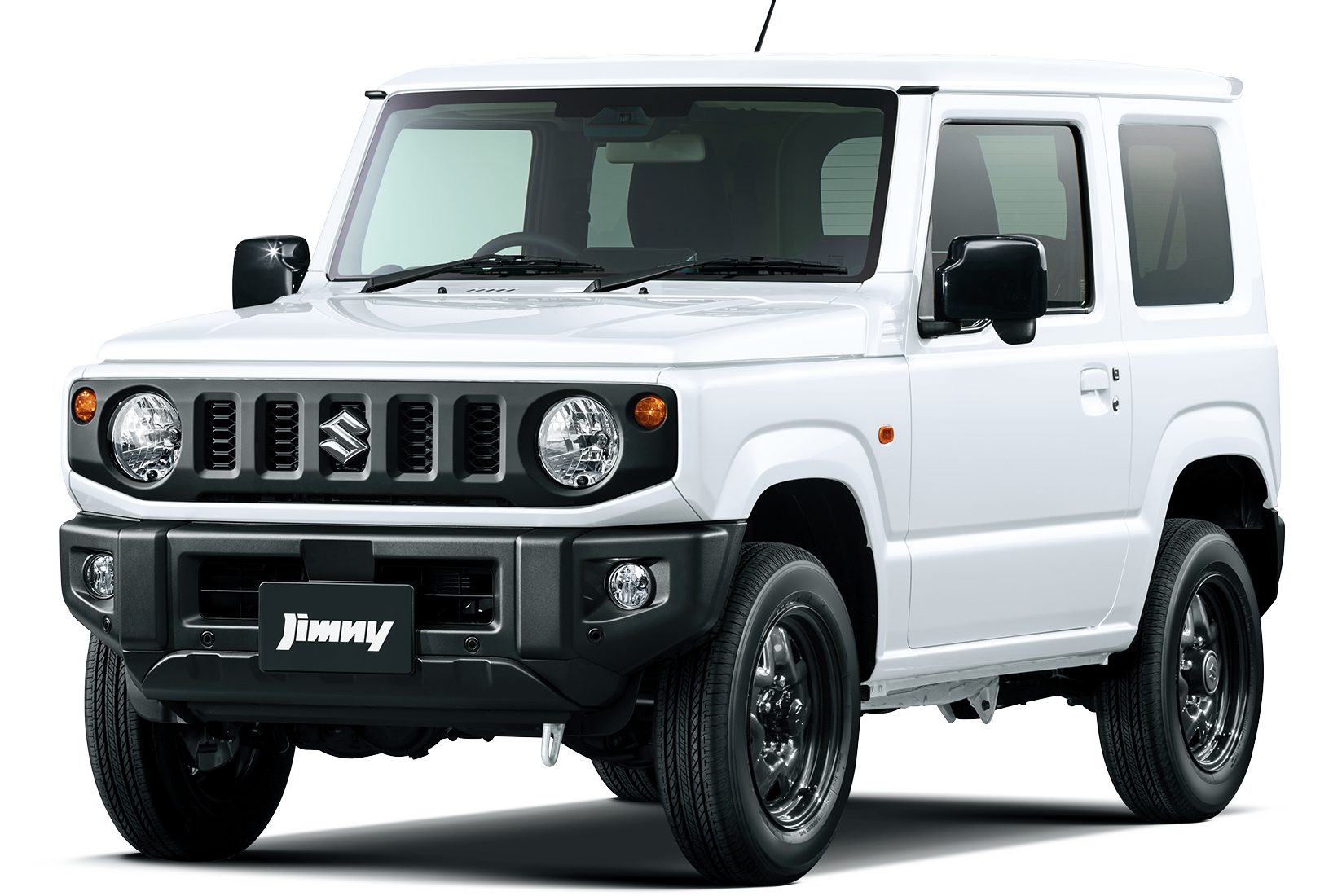
Type: Legendary off-road kei SUV
The Jimny is an iconic compact SUV with genuine off-road capability, earning a cult following worldwide.
Key Features:
- Ladder frame construction
- Genuine 4WD with low-range gearing
- Exceptional off-road ability
- Global cult status
Suzuki Every Wagon
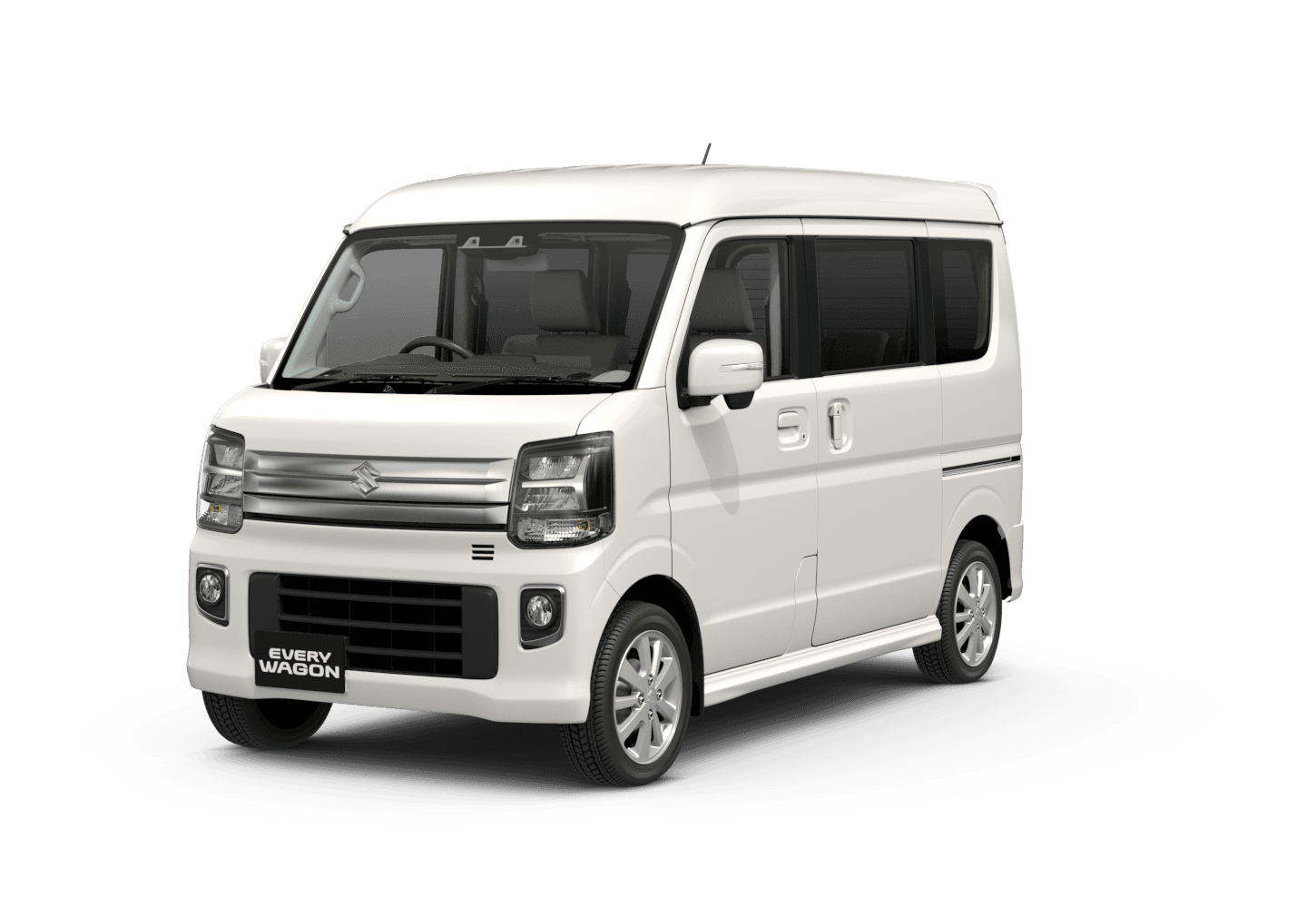
Type: Passenger version of commercial van
The Every Wagon offers maximum cargo capacity in the kei car segment, perfect for those needing versatile utility.
Key Features:
- Largest cargo space in class
- Available in 2WD and 4WD
- Commercial van practicality
- Ideal for outdoor activities
🔹 Daihatsu (Toyota Group) - Innovation Leaders
Daihatsu, owned by Toyota, remains a top kei car manufacturer with innovative designs focused on accessibility and practicality. All current models have been in production through 2023–2025.
Daihatsu Tanto - https://www.daihatsu.com/jp/lineup/tanto/
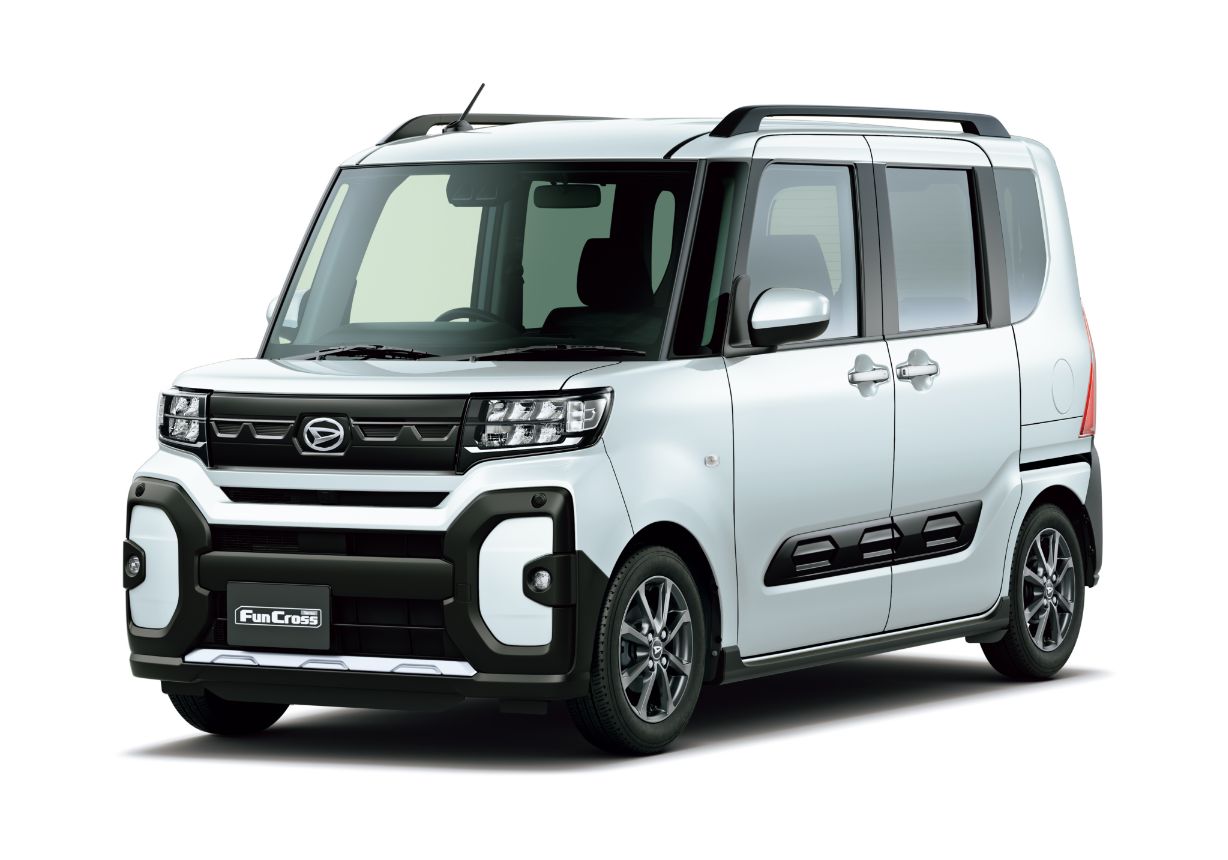
Type: Tall kei minivan / popular daily driver
The Tanto is famous for its "miracle open door" design with pillarless construction between front and rear doors, creating an enormous opening for easy access.
Key Features:
- Pillarless door design for easy access
- Exceptionally low floor height
- Popular with families and elderly drivers
- Available with turbo engine
Daihatsu Move
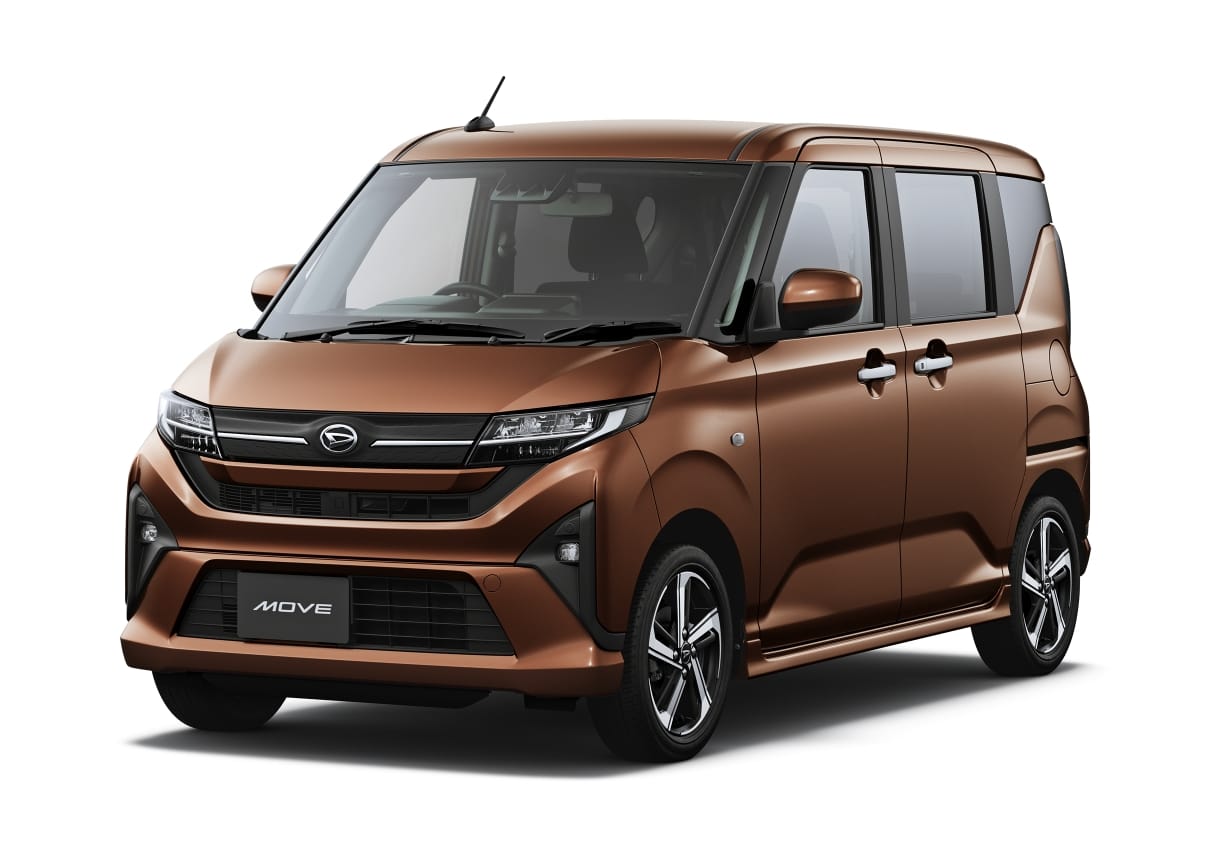
Type: Kei hatchback with strong sales
The Move has been a consistent best-seller for Daihatsu, offering a balanced approach to kei car design.
Key Features:
- Well-rounded everyday usability
- Proven reliability
- Good fuel economy
- Comfortable interior for its class
Daihatsu Mira
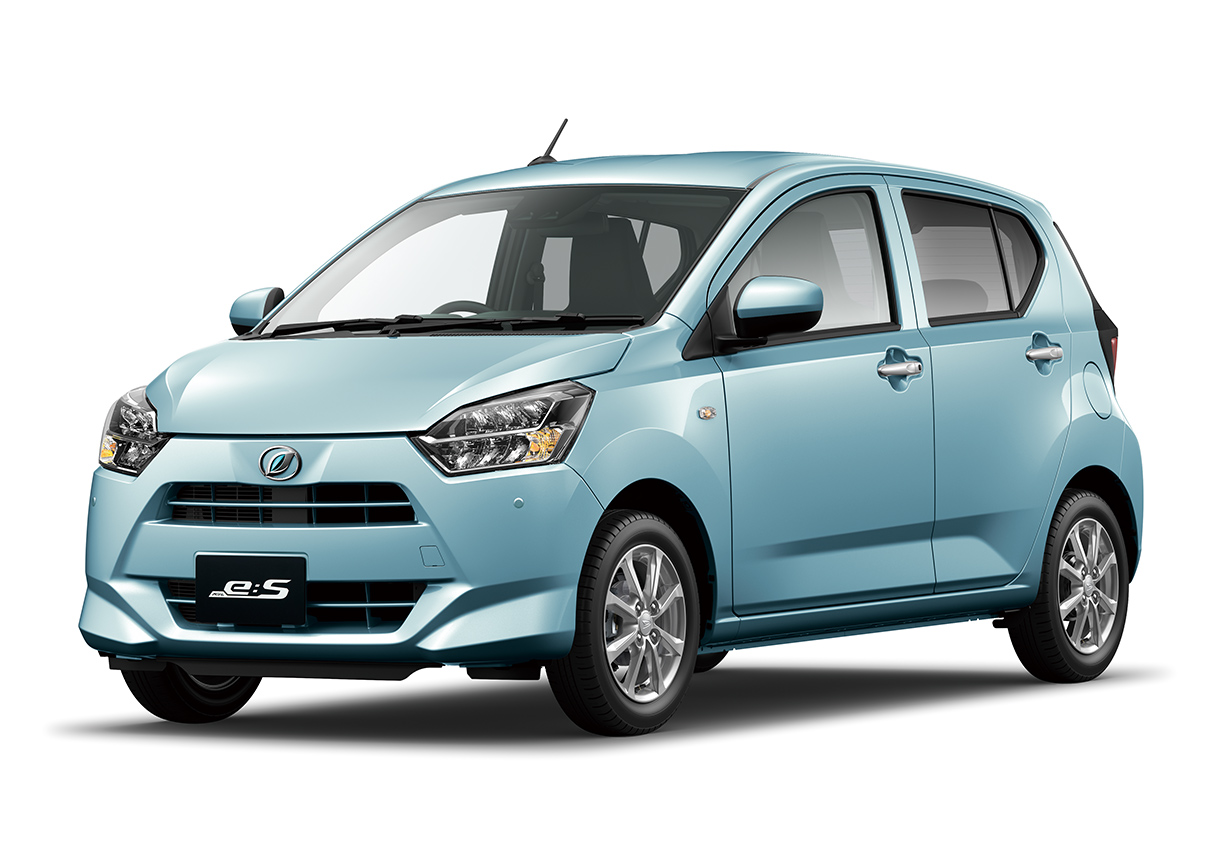
Type: Simple, economical kei hatch
The Mira focuses on affordability and simplicity, competing directly with the Suzuki Alto.
Key Features:
- Budget-friendly pricing
- Simple, reliable design
- Low running costs
- Available in multiple variants
Daihatsu Taft
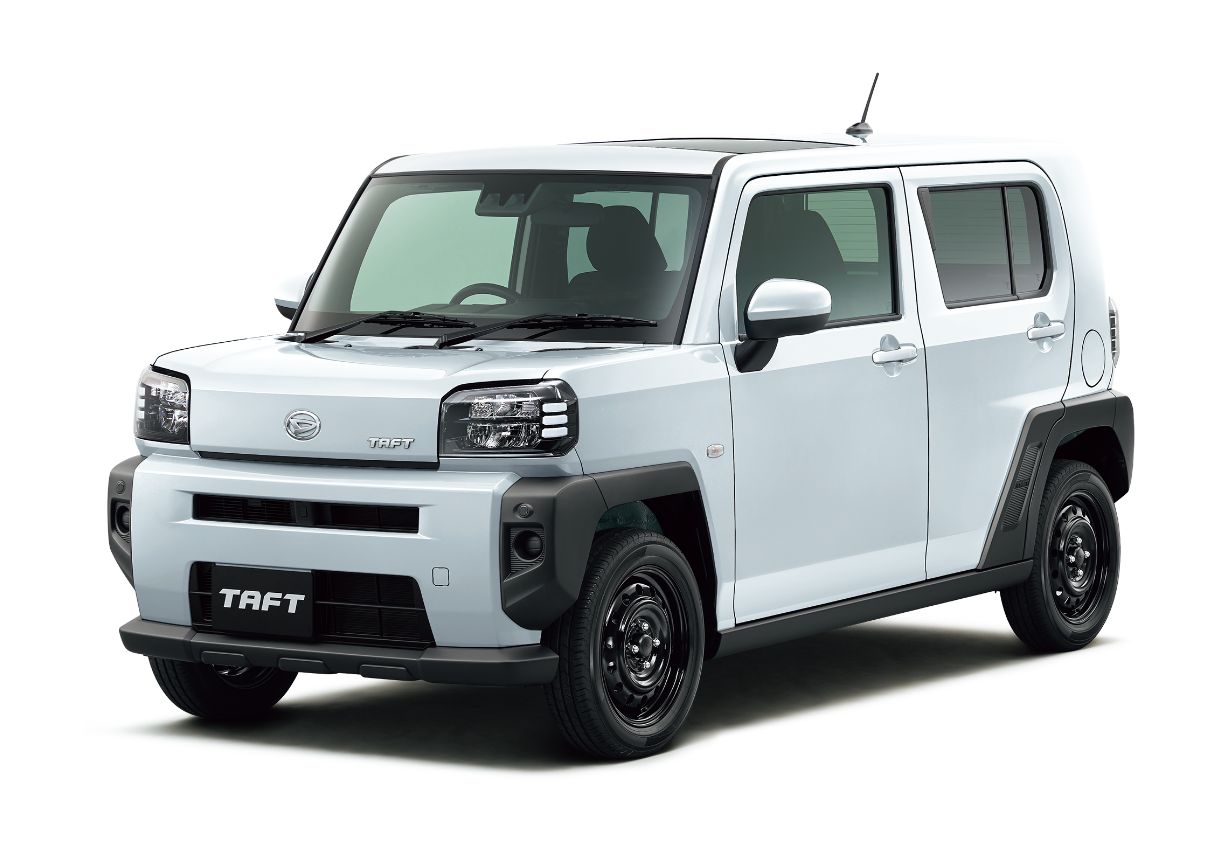
Type: Cross-style kei crossover (LA900)
The Taft brings SUV styling to the kei segment with a distinctive square design and practical features.
Key Features:
- Boxy SUV styling
- Large glass roof ("Sky Feel Top")
- Water-resistant interior materials
- Outdoor-oriented design
Note: The Daihatsu Cast ended production in 2023 and was effectively replaced by the Taft and other newer models.
🔹 Nissan & Mitsubishi - NMKV Partnership
Nissan and Mitsubishi jointly develop and sell badge-engineered kei cars under the NMKV (Nissan Mitsubishi Kei Vehicle) partnership.
Mitsubishi eK / Nissan Dayz

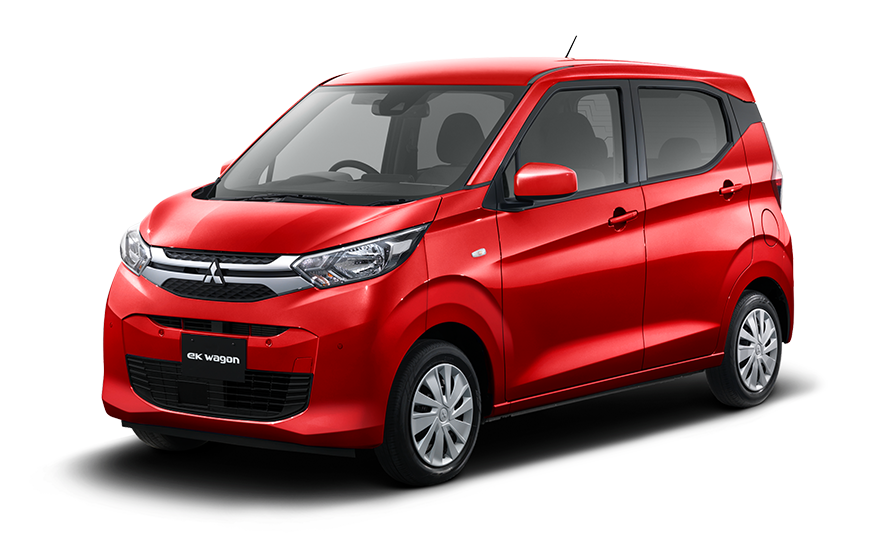
Type: Kei hatchback twins
These mechanical twins represent the core of the NMKV partnership, with the eK sold under Mitsubishi branding and the Dayz under Nissan.
Key Features:
- Smooth CVT transmission
- Modern safety features
- Available with turbo engine
- Highway driving capability
Nissan Roox
Type: Tall kei minivan
The Roox is Nissan's answer to the Honda N-Box and Daihatsu Tanto, offering spacious interior in the super-height kei wagon segment.
Key Features:
- Tall body for maximum headroom
- Sliding rear doors
- Family-friendly interior
- Part of NMKV lineup
Nissan Sakura / Mitsubishi eK X EV

![White Pearl/Black Mica (additional color) *4〈FS〉[W13/X42]](https://www.mitsubishi-motors.co.jp/lineup/ek_x_ev/grade/img/g/car_02.png)
Type: Electric kei car (2023-2025)
The Sakura (and its Mitsubishi twin) represents the future of kei cars with all-electric powertrains. It was Japan's top-selling EV for most of 2023.
Key Features:
- 180km (112 miles) real-world range
- Zero emissions operation
- Instant electric torque
- Modern tech features
- Affordable EV option for Japan
🔹 Badge-Engineered Kei Cars
Several manufacturers sell kei cars that are rebadged versions of Suzuki or Daihatsu models through partnership agreements.
Toyota Pixis Series
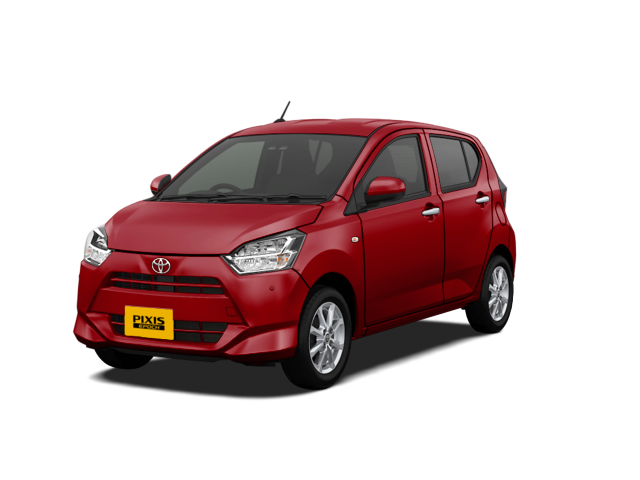
Source: Rebadged Daihatsu kei cars
Toyota markets several Daihatsu kei cars under the "Pixis" brand name in Japan.
Models include:
- Pixis Epoch (based on Daihatsu Mira)
- Pixis Mega (based on Daihatsu Wake)
- Pixis Van (based on Daihatsu Hijet)
- Pixis Joy (based on Daihatsu Cast)
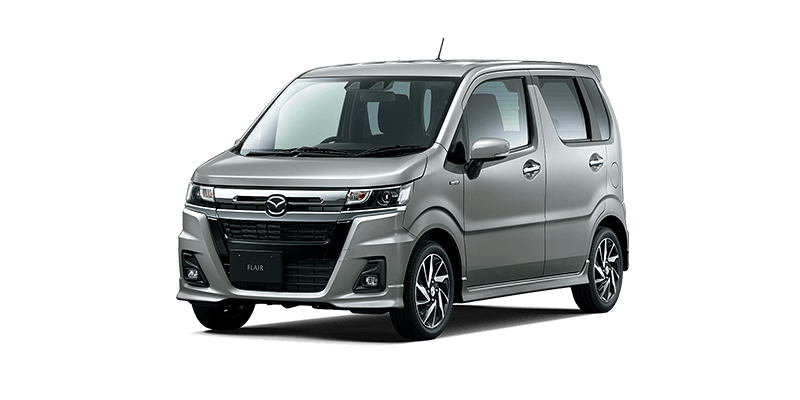
Mazda Flair
Source: Rebadged Suzuki platform
Mazda's kei car lineup consists of rebadged Suzuki models sold through Mazda dealerships.
Models include:
- Flair (based on Suzuki Wagon R)
- Flair Wagon (based on Suzuki Spacia)
- Flair Crossover (based on Suzuki Hustler)
Subaru Stella
Source: Daihatsu platform
Subaru's kei hatch was revived in 2025 using the Daihatsu platform, marking Subaru's return to the kei car segment.
2023-2025 Kei Car Summary Table
| Manufacturer | Kei Car Models (2023+ Production) |
|---|---|
| Honda | N-Box, N-One, N-WGN, N-Van |
| Suzuki | Wagon R, Wagon R Smile, Spacia, Alto, Alto Lapin, Hustler, Jimny, Every Wagon |
| Daihatsu | Tanto, Move, Mira, Taft |
| Nissan/Mitsubishi (NMKV) | eK, Dayz, Roox, Sakura (EV) |
| Badge-Engineered | Toyota Pixis series, Mazda Flair series, Subaru Stella |
Classic Kei Sports Cars Worth Knowing
For enthusiasts interested in importing older kei cars to countries with 25-year import rules, several legendary models stand out:
Mazda AZ-1 (1992-1994)
The AZ-1 was Mazda's mid-engine, rear-wheel-drive answer to the tiny sports car movement, featuring gullwing doors and producing 64 horsepower from its turbocharged 657cc engine. Only 5,000 units were produced, making it extremely rare and collectible.
Suzuki Cappuccino (1991-1998)
A traditional sports car layout with front-engine, rear-wheel-drive configuration and a convertible top. The turbocharged 3-cylinder engine delivers 63 horsepower while weighing just 1,598 lbs.
Honda Beat (1991-1996)
A mid-engined convertible that stands out for using a naturally aspirated engine to reach 63 horsepower—no turbocharger needed. Still commonly seen on Japanese roads today.
Suzuki Alto Works RS/Z (1994-2000)
The most common performance kei car still available, offering front-wheel or all-wheel drive with manual or automatic transmission options.
The Future of Kei Cars
Electrification Trend
The kei car segment is experiencing increased adoption of both battery-electric and hybrid models. The Nissan Sakura has proven that electric kei cars are commercially viable, and Honda's N-ONE e offers 295 km (183 miles) of range. Chinese manufacturer BYD is also entering the Japanese market with its "Racco" BEV model, expected to launch at competitive pricing.
Growing International Interest
While kei cars remain primarily a Japanese phenomenon, there's growing interest in North America and other markets. On average, kei cars are listed for around $3,000 for older models, with prices varying based on condition, specifications, and model year.
Importing Kei Cars: What You Need to Know
United States
The 25-year import rule allows kei cars manufactured before 2000 to enter the US without meeting current safety and emissions standards. However, regulations vary by state, with some prohibiting kei car registration even after legal importation.
Europe
The EU lacks a special category for kei cars, requiring imported vehicles to meet all standard safety regulations, which can be challenging and expensive to verify.
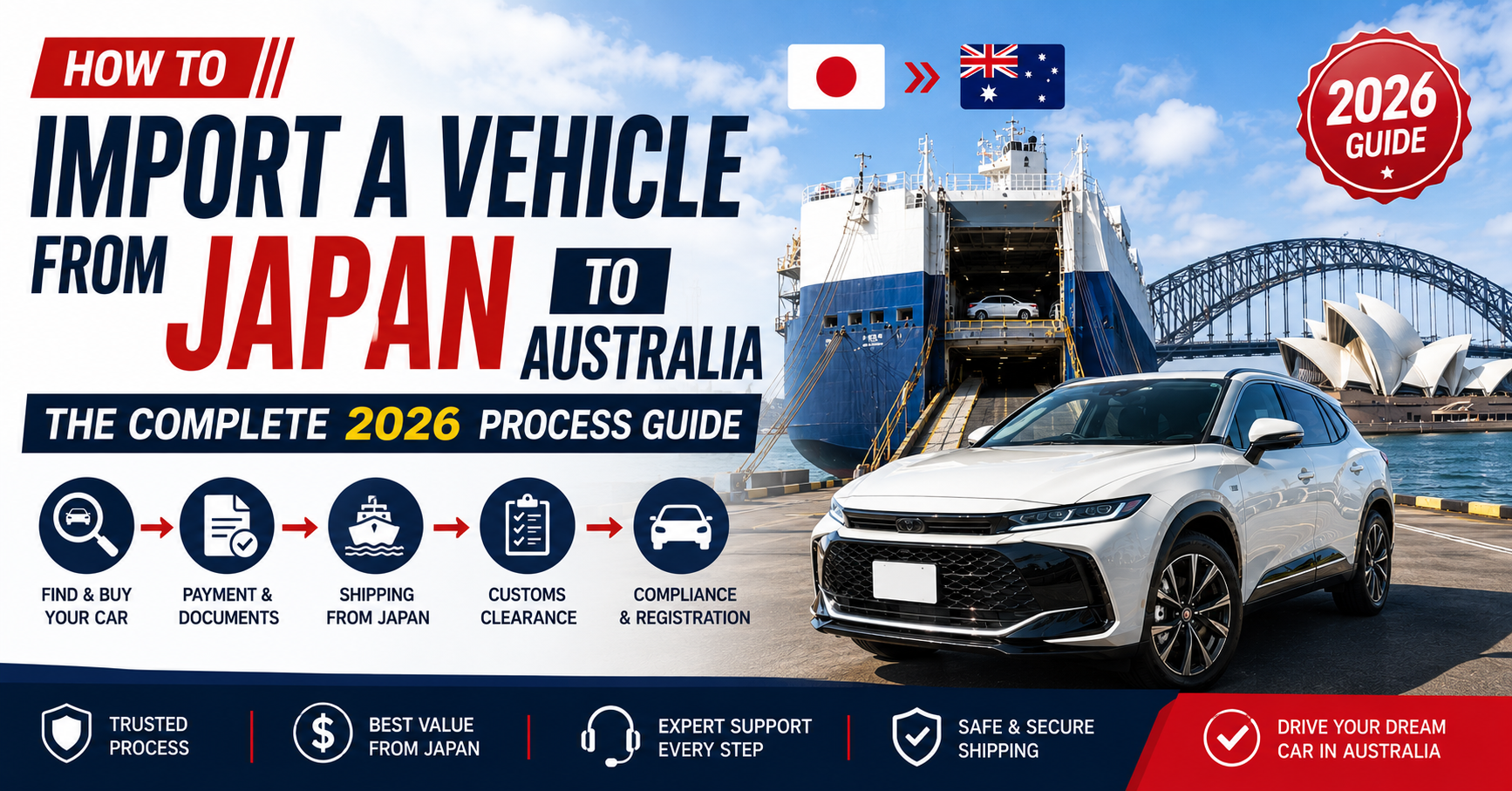
Import Process
- Find a reputable Japanese exporter or auction house
- Obtain necessary export documentation
- Arrange shipping (typically by sea)
- Complete customs paperwork at the destination port
- Pay applicable customs duties (typically 2.5% for cars in the US)
Pros and Cons of Kei Cars
Advantages
- Affordability: Low purchase price and operating costs
- Fuel Efficiency: Exceptional mileage (80+ mpg possible)
- Parking Convenience: Fits in tight spaces
- Tax Benefits: Significantly lower annual taxes in Japan
- Environmental Impact: Reduced emissions
- Maneuverability: Easy to drive in congested areas
- Wide Selection: Dozens of models covering every need
Disadvantages
- Limited Space: Cramped for taller passengers
- Safety Concerns: May not perform as well as larger vehicles in crashes
- Power Limitations: Small engines struggle with highway driving
- Highway Performance: Better suited for urban environments
- Limited Availability: Primarily sold in Japan
- 660cc Limit: Restricts performance potential
Are Kei Cars Right for You?
Kei cars excel in specific environments and use cases. They're ideal for:
- Urban dwellers with limited parking
- Short commutes and city driving
- Budget-conscious buyers
- Environmental enthusiasts
- Those seeking a unique, characterful vehicle
- Small business owners needing versatile utility
However, they may not suit those who:
- Frequently drive long highway distances
- Need to transport multiple passengers regularly
- Require maximum crash safety ratings
- Live in areas dominated by large SUVs and trucks
Conclusion
Kei cars represent more than just a vehicle category—they embody Japanese ingenuity, efficiency, and the philosophy that limitations can inspire remarkable creativity. With 1.56 million units sold in 2024 and capturing 38% of Japan's domestic market, these compact vehicles continue to prove their enduring appeal.
From Honda's dominant N-series to Suzuki's diverse lineup, from Daihatsu's accessibility-focused designs to the groundbreaking electric Nissan Sakura, the kei car segment offers something for everyone. Whether you're considering importing a classic kei sports car, curious about Japan's automotive culture, or simply fascinated by efficient engineering, kei cars offer a compelling glimpse into how thoughtful design can create vehicles perfectly suited to their environment.
For those interested in checking vehicle history before purchasing a Japanese car (including kei cars), tools like jpchecker.com can provide valuable information to make informed decisions about your purchase.
Have questions about kei cars or thinking about importing one? Share your thoughts in the comments below!