Japanese Auction Sheet Translation: The Complete FAQ Guide (2026)
Looking for a Japanese auction sheet translation? Whether you're importing a JDM vehicle, buying a used Japanese car, or verifying an auction report before bidding, this guide answers every important question about Japanese auction sheet translation, auction grades, damage codes, auction sheet readers, chassis verification, and vehicle history.
This complete FAQ is designed to help buyers, importers, exporters, dealers, and collectors understand Japanese auction sheets without needing to read Japanese.
What Is a Japanese Auction Sheet?
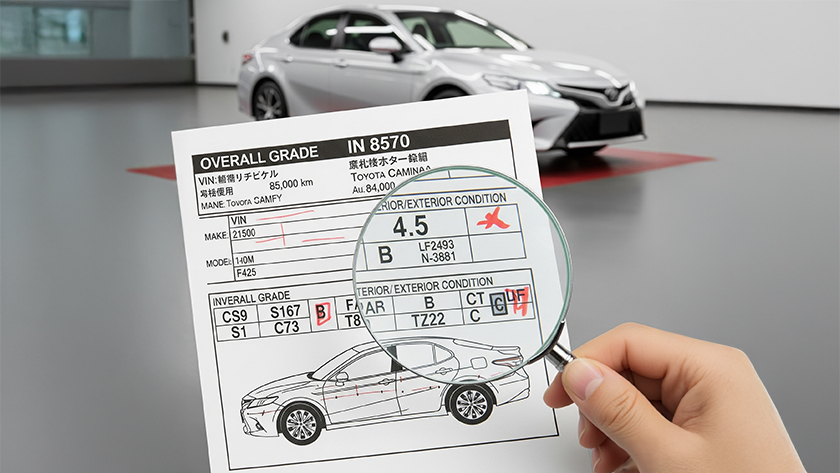
A Japanese auction sheet is an official inspection report created before a vehicle is sold at a Japanese auto auction.
It contains:
-
Vehicle specifications
-
Chassis number
-
Mileage
-
Auction grade
-
Interior grade
-
Exterior grade
-
Damage diagram
-
Inspector comments
-
Repair history
-
Factory options
-
Equipment list
The auction sheet is one of the most valuable documents when buying a used Japanese vehicle because it describes the vehicle's actual condition before purchase.
What Is Japanese Auction Sheet Translation?
Japanese auction sheet translation converts the original Japanese inspection report into clear English.
A professional auction sheet translation explains:
-
Auction grades
-
Inspector remarks
-
Handwritten Japanese notes
-
Damage symbols
-
Accident history
-
Repair history
-
Vehicle condition
-
Equipment
-
Factory options
Instead of guessing what Japanese characters mean, you receive an accurate English interpretation.
Why Should You Translate a Japanese Auction Sheet?
Translating an auction sheet helps you:
-
Avoid hidden accident vehicles
-
Detect mileage discrepancies
-
Understand inspector comments
-
Verify repair history
-
Identify body damage
-
Compare vehicles confidently
-
Prevent expensive buying mistakes
Many buyers lose thousands of dollars because they rely only on the auction grade without reading the inspector's comments.
What Is the Best Japanese Auction Sheet Translator?
The best auction sheet translator should provide:
-
OCR image recognition
-
Japanese to English translation
-
Handwritten note translation
-
Damage code explanations
-
Auction grade interpretation
-
Inspector comment analysis
-
Vehicle history summary
Unlike generic translation apps, specialized auction sheet translators understand Japanese automotive terminology and auction-specific abbreviations.
Can AI Translate Japanese Auction Sheets?
Yes.
Modern AI can accurately translate:
-
Printed Japanese text
-
Vehicle specifications
-
Auction grades
-
Damage diagrams
-
Equipment lists
-
Most inspector remarks
However, complex handwritten notes and unusual auction formats may still benefit from expert review, especially for high-value vehicles.
What Is an Auction Sheet Reader?
An auction sheet reader explains every section of the inspection report, including:
-
Vehicle information
-
Overall grade
-
Interior grade
-
Exterior grade
-
Damage map
-
Auction symbols
-
Inspector comments
-
Equipment codes
An auction sheet reader helps buyers understand the report even if they don't speak Japanese.
How Do You Read Japanese Auction Grades?
Common grades include:
Grade 6
Nearly new condition.
Grade 5
Excellent condition with minimal wear.
Grade 4.5
Very clean vehicle with only minor cosmetic imperfections.
Grade 4
Above-average used vehicle.
Grade 3.5
Average used condition with noticeable wear.
Grade 3
Requires repairs or cosmetic attention.
Grade R
Previously repaired after accident damage.
Grade RA
Major structural repair history.
Grade X
Vehicle may require extensive repairs or may not be roadworthy.
What Do Auction Damage Codes Mean?
Japanese auction sheets use standardized damage codes.
Common examples include:
-
A1 = Small scratch
-
A2 = Medium scratch
-
A3 = Large scratch
-
U1 = Small dent
-
U2 = Medium dent
-
U3 = Large dent
-
W1 = Minor repair wave
-
W2 = Visible repair
-
W3 = Poor repair
-
XX = Replaced panel
-
S = Rust
-
C = Corrosion
-
P = Paint deterioration
-
Y = Crack
-
B = Dent with scratch
-
E = Dent
Learning these symbols helps buyers estimate repair costs before importing a vehicle.
What Do Inspector Comments Mean?
Inspector remarks often reveal information not shown in the damage diagram.
Examples include:
-
Engine oil leaks
-
Smoke smell
-
Flood damage
-
Rust underneath
-
Non-original parts
-
Previous repainting
-
Modified suspension
-
Dashboard cracks
-
Interior wear
-
Mechanical concerns
These comments are often handwritten, making accurate translation essential.
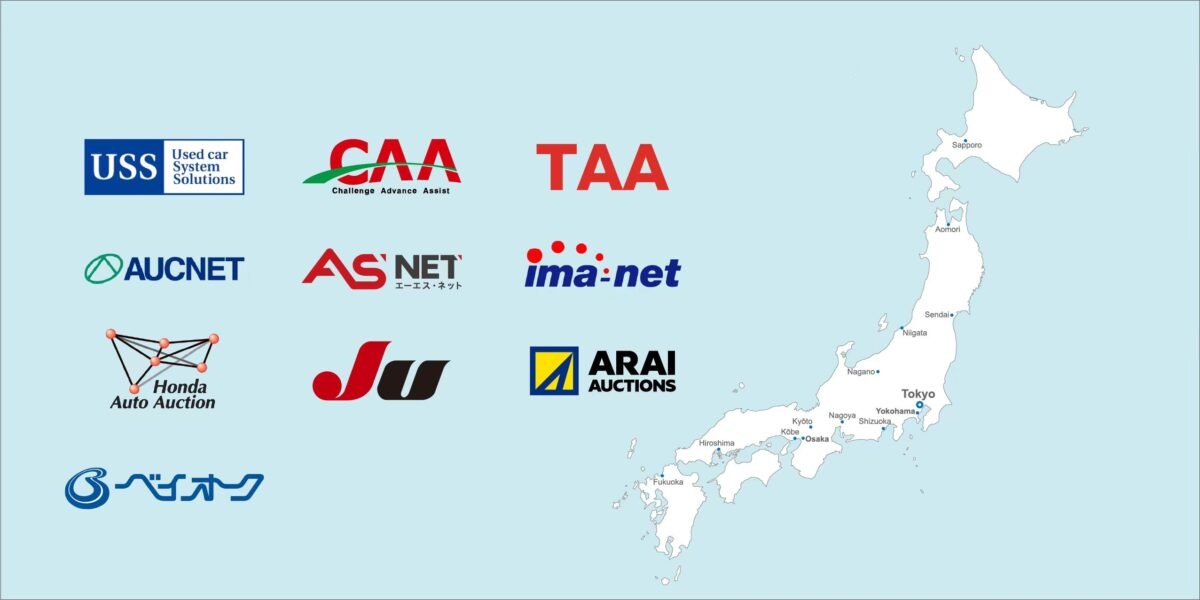
Which Japanese Auction Houses Use Auction Sheets?
Major auction houses include:
-
USS
-
TAA
-
JU
-
HAA
-
CAA
-
ARAI
-
Honda Auto Auction
-
Nissan Auto Auction
-
Toyota Auto Auction
Each uses slightly different layouts, but the grading system is broadly similar.
Can Auction Sheets Be Fake?
Unfortunately, yes.
Always verify:
-
Chassis number
-
Auction date
-
Auction house
-
Lot number
-
Vehicle specifications
-
Mileage
-
Auction grade
A genuine auction sheet should match the vehicle exactly.
How Can You Verify a Japanese Auction Sheet?
You can verify by checking:
-
Chassis number
-
VIN
-
Auction history
-
Vehicle specifications
-
Factory details
-
Mileage records
-
Recall information
-
Auction database records
Verification reduces the risk of fraud when importing vehicles.
What Is a Japanese Chassis Number Check?
A chassis number lookup helps confirm:
-
Vehicle identity
-
Factory specifications
-
Production year
-
Engine type
-
Trim level
-
Original color
-
Transmission
-
Auction history
This is one of the most important checks before purchasing any imported Japanese vehicle.
Can You Translate Handwritten Japanese Auction Notes?
Yes.
Modern AI combined with specialized automotive language models can interpret many handwritten inspector notes, though difficult handwriting may occasionally require expert review.
Frequently Asked Questions
Is Japanese auction sheet translation free?
Many online tools provide free translations with optional premium features.
How accurate is auction sheet translation?
Specialized auction translation tools are significantly more accurate than general-purpose translation services because they recognize auction terminology and grading systems.
Can I translate a PDF auction sheet?
Yes. Most modern auction sheet translators support PDF, JPG, PNG, and scanned images.
Can I translate an auction sheet from my phone?
Yes. Mobile browsers can upload photos directly for translation.
How long does translation take?
Most AI-powered systems complete a translation within a minute.
Do I need to know Japanese?
No. A specialized auction sheet translator converts grades, symbols, comments, and inspection notes into clear English.
Final Thoughts
A Japanese auction sheet is the single most important document when purchasing a used vehicle from Japan. Understanding its grades, damage codes, inspector comments, and repair history helps you avoid costly mistakes and buy with confidence.
Whether you're importing one vehicle or managing an entire dealership, using a dedicated Japanese auction sheet translation and verification service is one of the smartest investments you can make before bidding.