Lorry Body Types A to Z: The Complete Guide
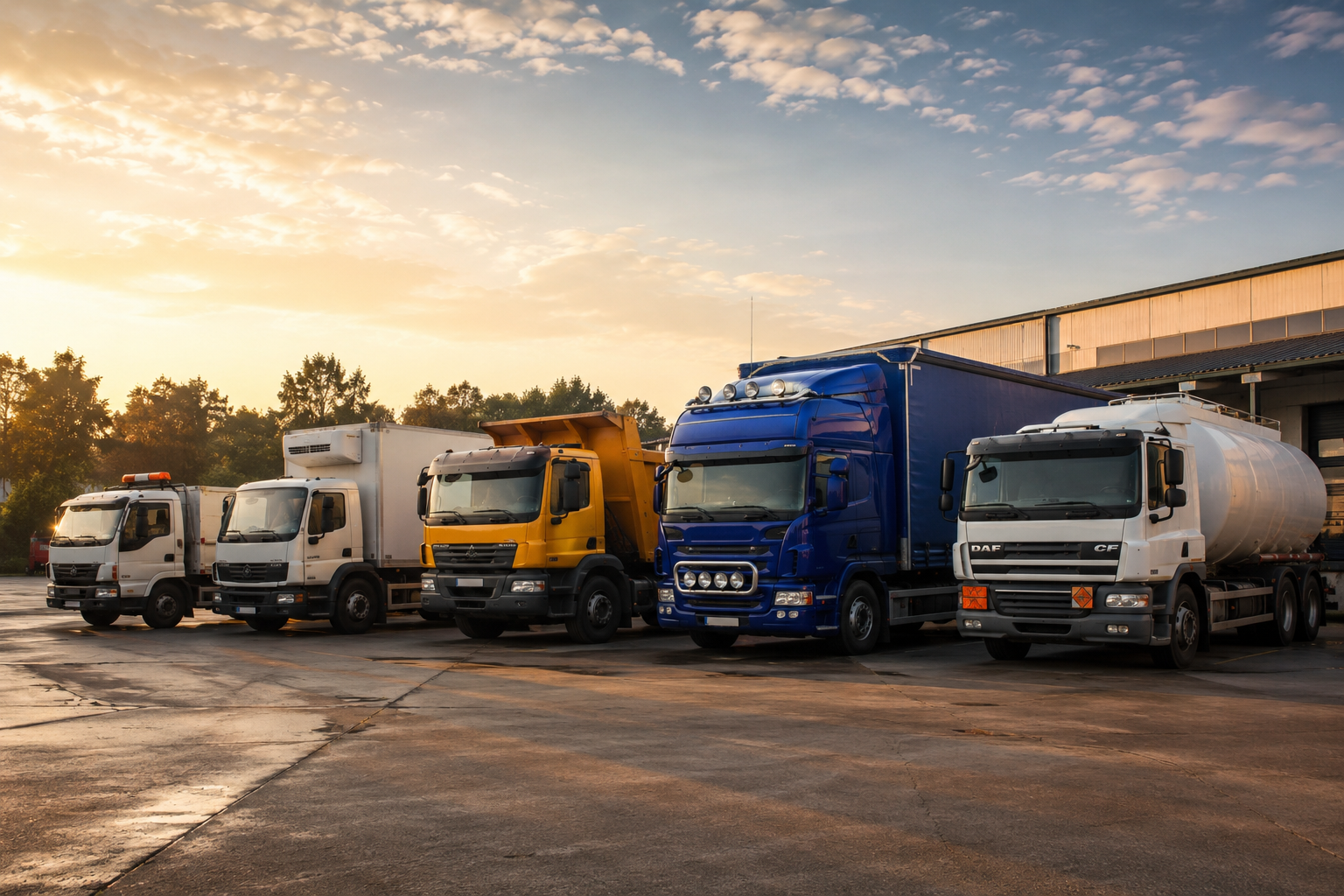
If you've ever stood at a roadside and watched trucks go by, you've probably noticed they don't all look the same. Some are open platforms, some are enclosed boxes, some tip backward to dump loads, and some are built to carry a single shipping container. Each of these is a different lorry body type, engineered for a specific job.
This guide walks through every major lorry (truck) body type from A to Z — what it is, what it carries, and how to know which one is right for your business, whether you're a fleet buyer, a logistics manager, or simply researching commercial vehicles.
Quick Answer (TL:DR)
A lorry body type refers to the specific structure fitted onto a truck chassis for a purpose — for example, a flatbed for open cargo, a tipper for loose materials like sand or gravel, a curtain-sider for palletized goods needing side access, a reefer (refrigerated body) for perishable food, and a tanker for liquids or gases. The right body type is chosen based on the cargo's shape, weight, sensitivity to weather, and loading/unloading method.
Table of Contents
- What Is a Lorry Body Type?
- A–Z List of Lorry Body Types
- How to Choose the Right Lorry Body Type
- Frequently Asked Questions
1. What Is a Lorry Body Type?
A lorry (or truck) is essentially two parts: the chassis-cab (engine, cab, and frame) and the body (the load-carrying structure bolted or mounted onto that frame). The body type determines what the vehicle can legally and practically carry, how the cargo is loaded and secured, and how efficiently it can be used for a given industry — construction, food distribution, agriculture, retail, or heavy haulage.
Choosing the correct body type affects fuel efficiency, payload capacity, loading time, and driver safety, which is why fleet operators spend so much time comparing options before registering or buying a vehicle.
2. A–Z List of Lorry Body Types
Beavertail Truck
A truck with a sloped rear section (like a boat's stern) that allows vehicles or plant machinery to be driven directly onto the bed without a separate ramp. Common in car and machinery transport.
Box Van / Box Body Lorry
A fully enclosed rectangular body, usually made of aluminium or GRP panels. Protects cargo from weather and theft — the standard choice for parcel delivery, furniture, and retail distribution.
Car Transporter
A multi-level open or enclosed body designed to carry multiple vehicles at once, typically with hydraulic ramps and tie-down points.
Curtain-Sider (Tautliner)
A body with a rigid roof and floor but flexible curtain sides that slide open for full-length loading access. Popular for palletized goods because forklifts can load from either side without needing rear-only access.
Dropside Truck
An open flatbed with hinged side and tail panels that fold down for easy loading of bulky or irregular items — common in builders' merchants and general haulage.
Dump Truck / Dumper Body
A heavy-duty reinforced body that tips via hydraulic ram to release loose material such as soil, rubble, or aggregate. Common on construction and quarry sites.
Extendable Trailer / Low Loader
Used for abnormally long loads (pipes, beams, wind turbine blades). The frame extends to support the length while keeping the load low for stability and bridge clearance.
Flatbed Lorry
An open, level platform with no sides or roof. Extremely versatile — used for machinery, timber, steel, and palletized goods that are strapped or chained down. Easy to load from any angle with a crane or forklift.
Grain / Bulk Body
An enclosed body with a sloped internal floor and a rear or bottom discharge gate, built specifically for free-flowing agricultural products like grain, feed, or fertiliser.
HIAB / Crane-Mounted Lorry
A flatbed or drop-side body fitted with a hydraulic loader crane, allowing the vehicle to load and unload its own cargo — widely used for building materials, plant hire, and roadside recovery.
Insulated Box Body
Similar to a standard box van but with insulated panel walls (without active refrigeration) — used for temperature-sensitive but non-frozen goods.
Jetting / Tanker for Liquids
See Tanker below — "jetting" units are a specialised tanker subtype used for drainage and gully-emptying work.
Kerbside / Skip Loader
A body fitted with hydraulic hook or skip-loading arms that lift and tip large waste skips onto the chassis — the standard vehicle for waste management companies.
Livestock Carrier
A multi-deck, ventilated body with non-slip flooring and welfare-compliant partitions, designed specifically for transporting animals safely and legally.
Moffett / Forklift-Mounted Body
A flatbed body with a detachable forklift mounted at the rear, allowing the driver to unload pallets at sites with no forklift of their own — common in builders' merchant deliveries.
Neck / Low-Bed Trailer
A heavy low-slung body (also called a "low loader") used for transporting excavators, cranes, and other oversized construction equipment.
Open-Sided Stake Body
A flatbed with removable vertical stakes along the edges instead of solid sides — used for timber, pipes, and long cylindrical loads that need lateral support without full enclosure.
Panel Van Body
A smaller enclosed body, often on a light commercial chassis, used for last-mile delivery and trade services.
Quarry Tipper
A reinforced heavy-duty tipper body built to withstand abrasive loads like crushed stone and ore — thicker steel and stronger tipping rams than a standard construction tipper.
Refrigerated Body (Reefer)
An insulated box body fitted with an active cooling unit, maintaining a controlled temperature range for perishable food, pharmaceuticals, or flowers throughout transit.
Skeletal Trailer
A frame-only body (no floor or sides) designed purely to carry shipping containers, which are locked onto the frame via twist-locks. Essential to port and container logistics.
Tanker Body
A cylindrical, pressure-rated tank used to transport liquids or gases — fuel, milk, chemicals, or water. Often compartmentalised for carrying multiple products at once.
Tipper Body
An open body that hydraulically lifts at the front to tip and empty loose material from the rear — the classic construction and agricultural workhorse.
Urban Distribution Box Body
A shorter, low-floor box body optimised for narrow city streets and frequent multi-drop deliveries, often paired with a tail lift.
Vehicle Recovery Body
Fitted with a sliding bed or under-lift, this body is designed to load, secure, and transport broken-down or accident-damaged vehicles.
Walking Floor Trailer
A specialised body with a moving slat floor that slowly pushes cargo out the back without tipping — used for loose, bulky, or lightweight materials like woodchip and waste.
X-Frame / Extendable Beam Trailer (Heavy Haulage)
Used for extremely heavy, concentrated loads like transformers or industrial machinery, spreading weight across multiple axles.
Y-Type Tag Trailer
A drawbar or tag-axle configuration often paired with box or curtain-sider bodies to increase payload without needing an articulated unit.
Zero-Emission / Electric Box Body
A growing category — box or curtain-sider bodies mounted on electric drivetrains for low-emission urban delivery, increasingly required by city clean-air zones.
3. How to Choose the Right Lorry Body Type
Ask these questions before choosing:
- What are you carrying? Loose material → tipper. Palletized goods → curtain-sider or box body. Liquids → tanker. Vehicles → car transporter or beavertail.
- Does it need protection from weather or theft? Enclosed body types (box van, reefer, insulated) protect cargo; open types (flatbed, dropside) are faster to load but exposed.
- Does it need temperature control? Perishables require a reefer body, not just insulation.
- How will it be loaded? Curtain-siders and dropsides allow side-access loading; flatbeds need crane or forklift access; skeletal trailers only take containers.
- What's the route? Urban delivery favours shorter box bodies with tail lifts; long-haul favours curtain-siders or skeletal trailers.
4. Frequently Asked Questions
What is the most common lorry body type? The curtain-sider (tautliner) is among the most widely used because it combines weather protection with fast side-loading access, making it suitable for most palletized general freight.
What's the difference between a tipper and a dump truck? They perform the same tipping action, but "tipper" is the more common UK/European term for on-road construction trucks, while "dump truck" is often used for heavier off-road or quarry vehicles.
Can one lorry chassis take different body types? Yes. Many chassis-cab lorries are sold "bare" and fitted with the body a business needs — a flatbed, box, tipper, or tanker can all be mounted on similar chassis depending on the manufacturer's specifications.
Which body type is best for perishable food transport? A refrigerated body (reefer) is required, as it actively controls temperature rather than just insulating against it.
Do body types affect a lorry's legal weight limits? Yes. Body weight is part of the unladen weight, which affects the maximum payload allowed under the vehicle's gross vehicle weight (GVW) rating.
For more guides on commercial vehicles, lorry specifications, and vehicle history checks, visit jpchecker.com.